The Móstoles City Council has approved two agreements with the Community of Madrid to build 249 public housing units for rent in Móstoles Sur. 75% will be reserved for residents who have lived in the city for at least ten years.
The City Council of Móstoles has given the green light to two agreements with the Community of Madrid to construct 249 public housing units for rent in the Móstoles Sur development. The operation is divided into two promotions that will be managed by the Regional Social Housing Agency, as confirmed by the council.
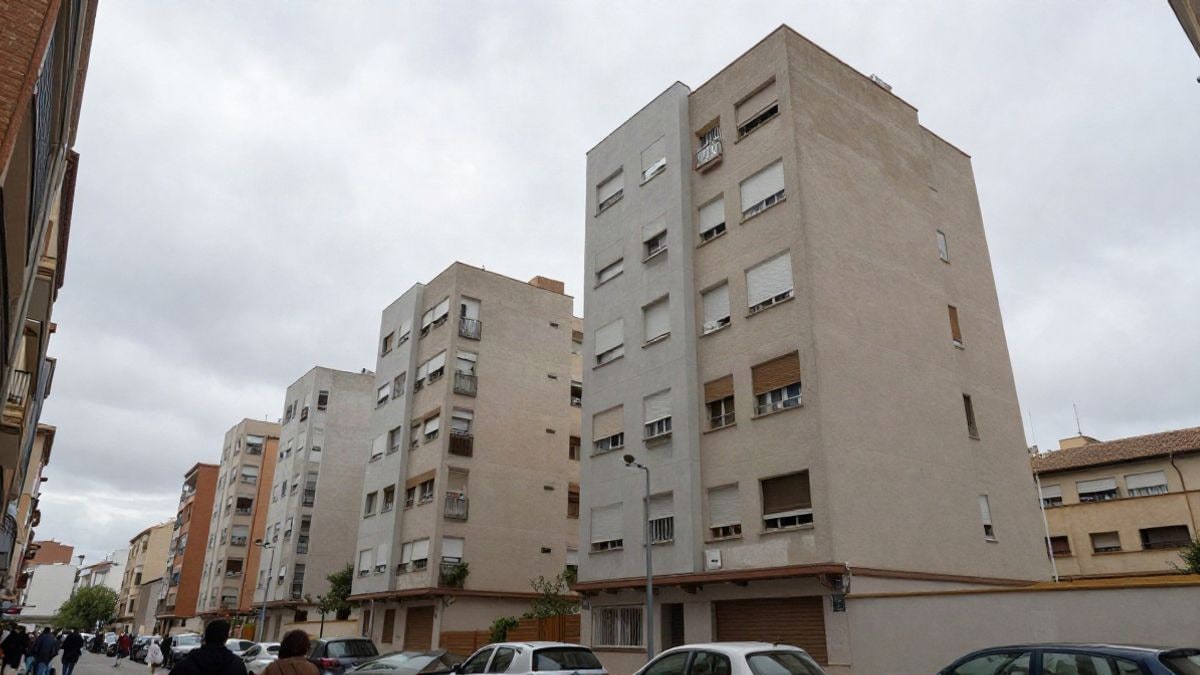
The first promotion will consist of 71 flats on plot FR-81, located between Casiopea and Hydra streets, and will include commercial premises, storage rooms, and a garage. The second will add 178 homes on plot FR-63, with commercial spaces and parking. In total, 249 units will be released to the market at a regulated price.
Access to these flats will not be unrestricted. 75% of the homes will be reserved for people registered in Móstoles for at least ten years. Additionally, household units must declare an annual income between 1.5 and 5 times the IPREM, the indicator used as a reference to set limits for numerous public aids.
The agreements also set a condition for permanence: the flats must remain rented for a minimum of twenty years. This timeframe prevents the homes from entering the free market over time and determines how long they retain their protected status.
These are 249 opportunities for Móstoles residents to continue living in their city and start their life project here.
This was expressed by the mayor of Móstoles, Manuel Bautista, who linked the residential development to improvements in communications. The mayor has assured that line 10 of the metro will reach Móstoles and that the connection with the R-5 is underway.
The two promotions are the first part of a broader plan. The partial plans SUS R1 and SUS R4 will mobilise over two million square metres of developable land and, along with the Partial Plan SUNC-4, will allow for the construction of more than 13,000 homes, 60% of which will be protected. Additionally, there is a Special Plan for converting commercial premises into housing, already underway, which the City Council expects will incorporate up to 3,000 flats in closed spaces.
The operation involves two administrations: the City Council signs the agreements and orders the land, while the Community of Madrid, through the Social Housing Agency, promotes and manages the homes. Thus, the figures depend on both at the same time.
The fine print defines the real scope. The minimum of ten years of registration excludes residents who arrived later, and the income band ranges from 1.5 to 5 times the IPREM: those who do not reach this threshold and those who exceed it are excluded.
The next step is to build the two promotions and allocate each flat. There, the pace of the rest of the municipal plan will be measured.
You may also like