The Salamanca runner, who received a liver transplant at the Hospital La Paz in Madrid 26 years ago, adds three golds and a silver in Logroño.
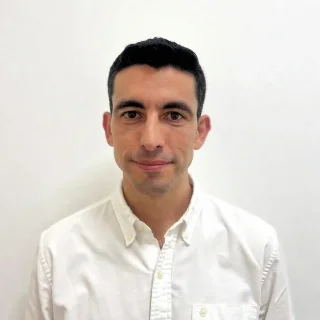
Guillermo González has two birthdays. One is the one marked on the calendar, the day he was born. The other came when he was just five years old, after an operation at the Hospital La Paz in Madrid that allowed him to move forward. Twenty-six years after that liver transplant, this Salamanca runner has found in sports a way to celebrate that second chance. This information is reported by larazon.es.
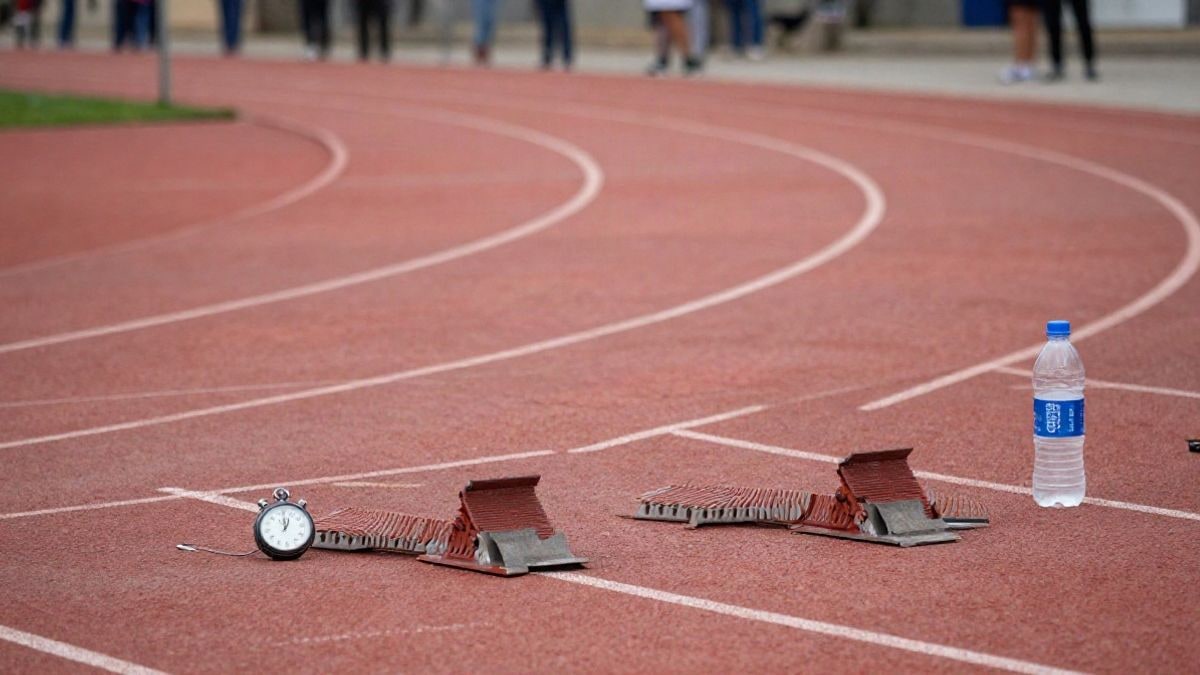
The latest chapter of that story was written on September 4 and 5 in Logroño, during the XII National Transplant Games, organised by Sport and Transplant Spain. Guillermo competed in the M3 category, for athletes aged between 30 and 39, and returned to Salamanca with four medals: gold in the 5 kilometres, gold in the 1,500 metres, gold in the 200 metres, and silver in the 400.
For him, the medals occupy a secondary place compared to what it represents to have reached that starting line. "Sport is not just a hobby in my life, it is the daily proof that transplant worked, and the way I honour it every time I go out running on the paths of my village," he explains.
Every kilometre I run, I run because another family, on the worst day of their life, decided to donate. It’s not a cliché, it’s the literal reason I am alive today.
Guillermo was operated on for the first time when he was just three months old. Two years later, at five, he received the liver transplant that saved his life. He has no personal memories of that moment. Everything he knows about those days comes from what his parents have told him. "I was very small, so I don’t remember it from my own memory. It’s a story I know mostly from what my parents have told me, who lived those days with a distress that today, as an adult, I understand much better," he points out.
He also knows that while his family was going through one of the worst moments of their lives, another family had just faced a loss. From there came the organ that now allows him to be alive. Guillermo has never known the name of the donor or had the opportunity to speak with their family.
The awareness of that second chance appears especially when his legs feel heavy, when fatigue forces him to decide between continuing or stopping. "I think about it more often than people imagine, especially during the tough moments of a race, when the body asks to stop and I think that I don’t have the right to give up with what has been gifted to me," he states.
His relationship with sport did not start with big goals. He began running "modestly, without much method or ambition," until he joined a running club and found people there who infected him with a passion for the mountains. First came a half marathon, then a marathon, and later mountain races. Today he trains daily in Las Veguillas, combining asphalt and mountain, and competes in half marathons, mountain races, and, recently, also on the track.
The journey to becoming the Spanish champion for transplant recipients was not a sudden leap. "It was a progressive process, not a discovery overnight," he recounts. Each season he raised his goals a little higher and checked how far he could go. Always under medical supervision and without taking unnecessary risks. "Every time I achieved it without my body saying enough, I gained a bit of confidence. Being the Spanish champion in Logroño is, in a way, the confirmation of how far that process has come," he explains.
His routine is not limited to just going out to run. He combines easy runs, intervals, and mountain training and pays special attention to what a runner without his history does not need to monitor in the same way. Medical follow-up, medication, and the body's response to more demanding loads are part of his preparation. There are also days when he needs to stop. "There are days, like any athlete experiences, and in my case, I learn to listen to those signals without forcing them. There are days when the session turns into active rest or simply stopping, because I know that in the medium term, it protects both my performance and my health," he states.
In that sense, sport has become part of his way of understanding recovery. "Sport has been my way of proving to myself, year after year, that the transplant was not a full stop but a starting point," he summarises. Each training session and each race thus become a way to check that the organ received 26 years ago continues to be the engine of a life that has gone far beyond the illness.
He arrived in Logroño with moderate expectations, especially since he had never previously competed in track events. The four medals confirm his progress and his commitment to sport as a tool for raising awareness about organ donation.
You may also like