The City Council of Madrid has denied the authorization to hold the Moroccan craft fair that has been organized since 2016 in the Centro district. The organizing association attributes the decision to a change in municipal criteria and the political context with Ceuta.
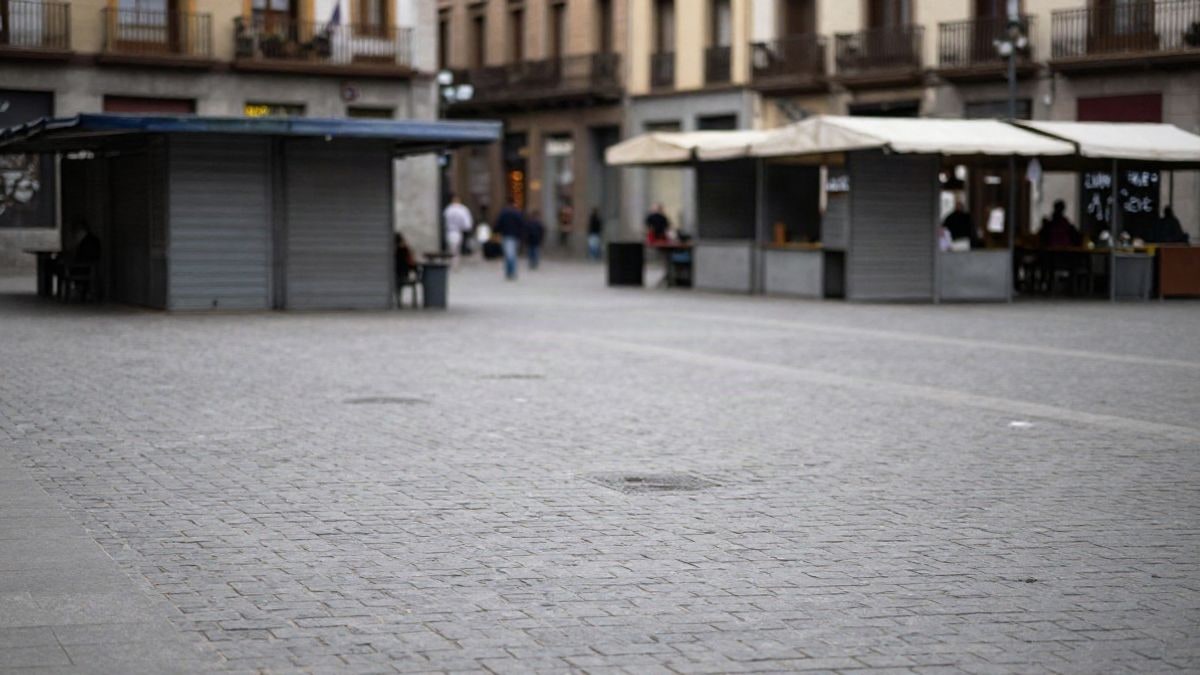
The Centro District Board communicated on August 18 to the Hispano-Arab Association for Development and Culture that it would not be able to hold its craft fair, a solidarity market that is part of the Interculturality Between Cultures 2026 Days and has been organized since 2016 in various squares in the city centre. In the last three editions, the event was held in the Juan Goytisolo square, as Cadena SER has learned.
The association began the administrative procedures to obtain municipal permission in April. For months, it exchanged documentation with the District Board, which on July 22 requested Liability Insurance to "continue with the processing of the event." At no point was there any warning of potential problems with the granting. The denial came by phone in August, and written explanations were not received until September 8.
In that email, the District Council argues that it has established "new criteria for the regulation of public space use for the year 2026" under which authorizations for events themed around markets or fairs will not be processed. The text adds that these criteria respond to the desire to allocate public squares to non-commercial activities, prioritizing those of a cultural, social, or similar nature, and seek to reconcile the use of public domain with neighbourhood rest, universal accessibility, and heritage conservation.
At this moment, everything that smells of Morocco must be prohibited
For Rachid Ismaili, president of the Hispano-Arab Association, the change in criteria is not coincidental and responds to the situation in Ceuta. Ismaili argues that this is a political decision and demands that, if there are regulations for the management of public space, they be applied objectively, transparently, and without discrimination, regardless of who organizes the activity or the origin of the participants.
The association leader emphasizes that expenses and financial commitments had already been incurred for transport, insurance, installations, technical documentation, and merchandise. The tents, structures, and products arrived from Morocco to Spain on July 20, 2026. With the fair not taking place, the economic consequences will be significant for both the association and the participating artisans.
The Municipal Socialist Group believes there has been arbitrary treatment and will bring the matter to the next plenary session of the Centro District. PSOE councillor Antonio Giraldo points out that emails were exchanged until July to finalize the authorization and that, days after the crisis in Ceuta, it was communicated that the fair would not take place. "Clearly, there has been a political motive," asserts Giraldo, who calls on the president councillor of Centro, Carlos Segura, to show these changes in criteria, as he warns that it will be necessary to see if they are also applied to the Christmas market, the Craft Fair, or the other fairs in the district.
You may also like