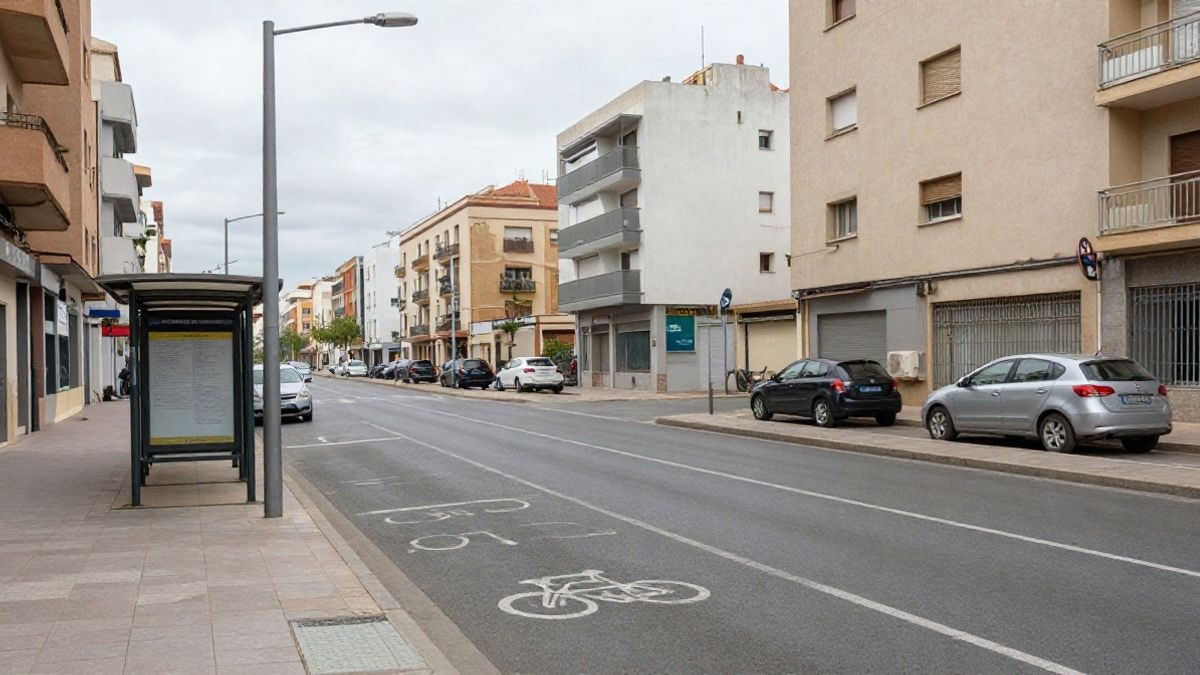
Uber, Google and Bolt's robotaxis are already testing in Alcobendas, Getafe and Madrid. No one has yet defined who is liable in case of an accident.
According to merca2.es, Uber, Google and Bolt's robotaxis are in the testing phase in Alcobendas, Getafe and Madrid. The driverless vehicles are already operating on some streets in these municipalities, although the commercial launch schedule and the number of units planned are not yet known.
The issue, according to the information, is not technical but administrative. Neither traffic regulations nor civil liability laws clarify who assumes the insurance policy when there is no driver: the manufacturer, the fleet owner, or the platform that charges for the ride.
In the Community of Madrid, there are around 15,000 taxi licenses, mostly held by self-employed individuals. The sector's employers' association has warned that the introduction of driverless fleets, if authorised without conditions, will reduce drivers more than prices.
The General Directorate of Traffic has granted permits on a case-by-case basis, with a safety driver and a defined perimeter in most cases. To allow commercial fleets to operate, a different framework is needed, as set by the regulations of the United Nations Economic Commission for Europe on automated driving.
Insurance is the most sensitive issue. An auto insurance policy is calculated based on the driver's history, and in a robotaxi, that history does not exist. No Spanish insurer has yet presented a specific policy for robotaxis in commercial operation.
If no one assumes the insurance, the last resort would be the Automobile Compensation Consortium, created for uninsured vehicles or natural disasters, and not for complete commercial fleets.
The closest precedent is the VTC. Between 2018 and 2019, the massive arrival of licenses changed the taxi market in Madrid and Barcelona without a labour transition designed by the administrations. Issues regarding fleets, conditions, and accident data will be decided in court in the event of accidents with personal injuries and in the municipal regulations that will be drafted throughout 2027.
You may also like