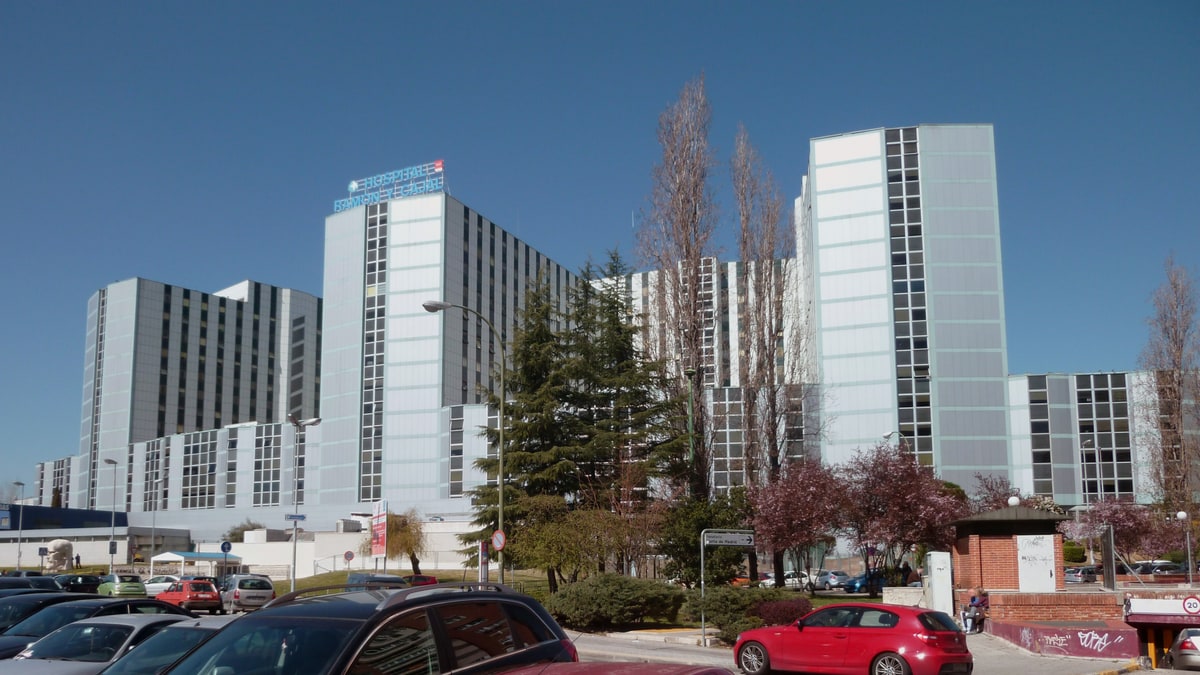
The INGENIA programme begins its tenth edition with six multidisciplinary projects for the 2026/2027 academic year. The presentation took place at the Ramón y Cajal Hospital in Madrid.
The Ramón y Cajal University Hospital hosted the presentation of the INGENIA 2026/2027 projects on 13 October 2026, marking the start of the tenth edition of this initiative. According to lavozmadrid.es, the event brought together students, healthcare professionals, educators, researchers, and collaborating entities.
The projects are the result of nine years of collaboration between the Ramón y Cajal Institute of Health Research (IRYCIS) and the Polytechnic University of Madrid (UPM). So far, the initiative has developed 35 projects, some of which have already been implemented or transferred, involving 149 students, their UPM professors, hospital professionals, and external collaborators such as the National Centre for Certification of Health Products (CNCPS) from the Spanish Agency for Medicines and Health Products (AEMPS).
The inaugural event featured speeches from Dr. Laura García Bermejo, scientific director of IRYCIS; Dr. Javier Blázquez, head of the Radiology Service and co-director of the Chair; Teresa Sánchez, UPM professor and co-director of the Chair, and Gloria Hernández, head of CNCPS-AEMPS. The presentation of the projects was conducted by Javier Soto, process engineer at the hospital, and Carmen Giovanetti, engineer affiliated with the UPM-IRYCIS Chair.
During the 2026/2027 academic year, six new projects will be developed focusing on process improvement, resource optimisation, and innovative solutions for healthcare. One of them will enhance training management in the Radiology Service. Others address precision medicine and biomarkers, General Surgery processes with an indoor positioning system, sample storage in the Microbiology Service, tenders from the Supplies Service, and a training and audit assignment tool in the CNCPS-AEMPS.
This edition will involve more than thirty UPM students, accompanied by professors and professionals from the relevant areas. The programme's promoters highlight that the model serves to address real needs within the healthcare system.
Trending on the web
You may also like