Square metre prices exceed €4,000 in the Balearics, the most expensive region in Spain. Many workers opt for caravans and vans, despite municipal prohibitions.
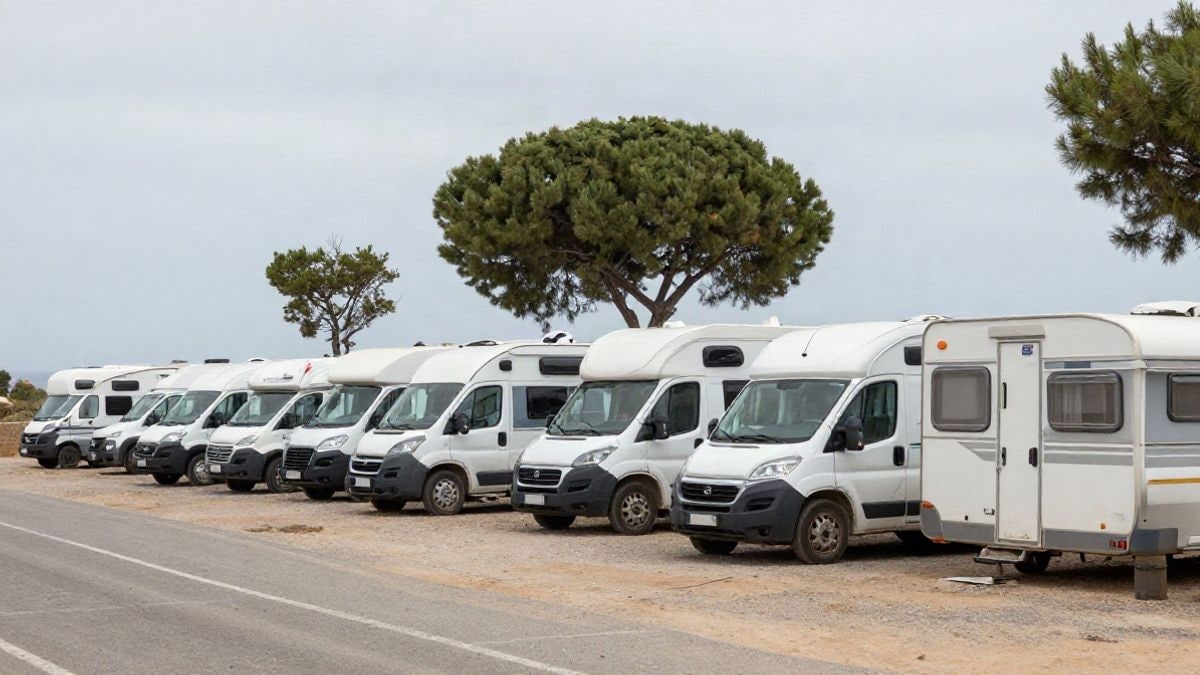
The price of housing in the Balearics has pushed many workers to live in caravans, vans or tents. The average square metre price exceeds €4,000 in the archipelago, according to data from the General Council of Notaries, making the region the most expensive in Spain, ahead of the Community of Madrid (€3,363), the Basque Country (€2,783) and Catalonia (€2,406). An 80-square-metre flat costs no less than €320,000.
The situation worsens with the latest statistics from the INE, published this Monday, which indicate that housing has become 12.2% more expensive in the second quarter of 2026, marking 45 consecutive quarters of increase. The rise has been particularly intense in the second-hand market, with a 7.4% increase since December, while the cumulative increase in new housing is 4.6%.
In Ibiza, the municipal ordinances of almost all town councils prohibit camping and overnight stays, restricting the possibility of staying in vehicles for extended periods. Additionally, the law controlling vehicle influx prohibits camping on rustic land outside of legal tourist campsites.
One case that reflects this reality is that of Pablo S., a worker who spent nearly five years, from 2017 to 2023, living in an improvised settlement in the Sa Joveria area, behind the Can Misses hospital. There, he gathered caravans of people who could not access the island's real estate market, which has turned into a luxury destination with prohibitive prices. He was evicted by the National Police due to potential public health risks and insecurity, according to authorities. The area once again concentrated over a hundred workers in 2026, but was evicted again in April for the same reasons.
Pablo S. no longer resides permanently in Ibiza and only returns in summer to work. Four years ago, he tried to find housing with his partner to start a family but ruled out that possibility due to rental prices and decided to leave. “I am not a native Ibizan, but it is very sad to see how those who were born here and have jobs are forced to leave the place where they grew up, where their family and friends are,” he adds. Among the people he has met in the settlements, he mentions single mothers who have been evicted, older women employed in low-wage sectors like cleaning, and retired couples looking to live near their children.
You may also like