The Community of Madrid will allocate €2.8 million for the air conditioning to function in the 2000-A trains on Line 1. The works will be ready from May next year.
As reported by La Razón, the Community of Madrid has announced an investment of €2.8 million to ensure the air conditioning works in the 2000-A model trains on Line 1. The tender does not include replacing the carriages, but rather a complete renewal of the condensing units, which expel heat into the tunnel, and the evaporators, which cool the interior.
The Transport Department reminds that Metro de Madrid allocates nearly €3.5 million for the maintenance of the cooling systems on Lines 1 and 5, with a four-year contract. This contract includes preventive tasks and repairs. The work will be carried out while 40 narrow-gauge trains are on their way, with an investment of over €500 million.
Line 1, inaugurated in 1919, is the oldest line in the underground network and the most used in 2025, with over 112 million passengers. During the summer, there were complaints about the heat in the carriages and air conditioning failures. The regional government has apologised and is committed to addressing the issue. The new system will be operational from May next year.
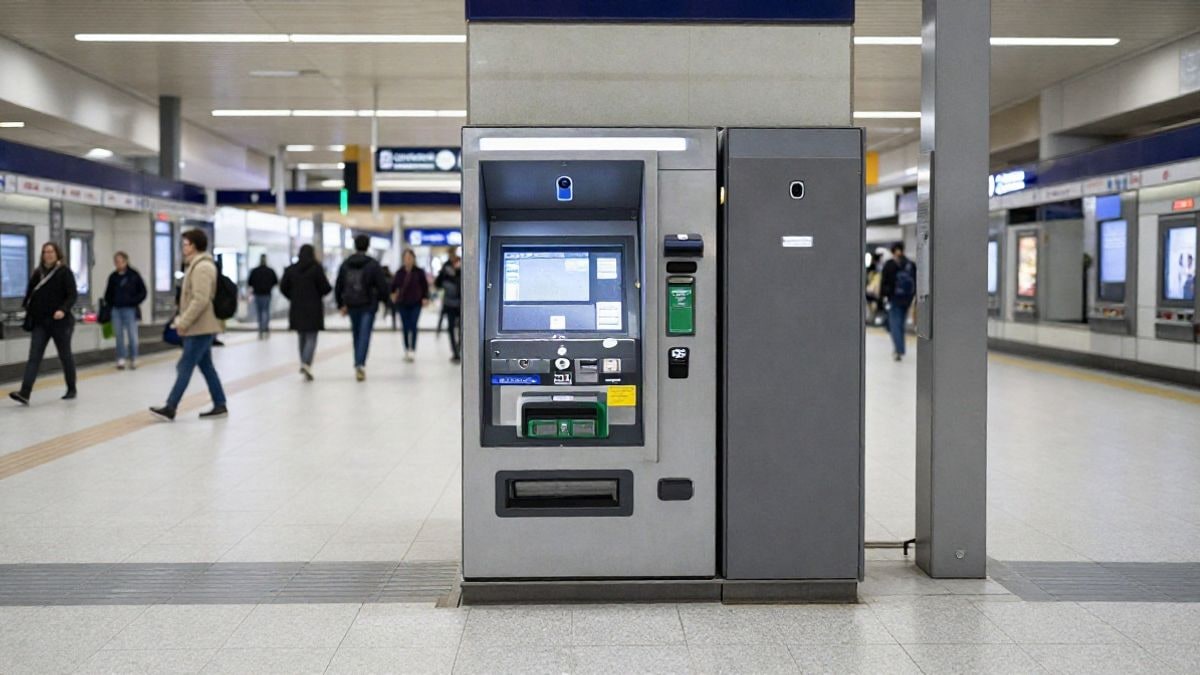
Metro is also launching a video call tele-assistance service in its vending machines today. It will be available in 214 units installed in 47 stations, within a total of 72 lobbies. Each unit features an interactive screen and a camera to speak in real-time with an operator.
The operators are 24 professionals from the station staff, trained in customer service, data protection, user empathy, and languages. They guide passengers in choosing fares and assist them remotely in purchasing tickets. This measure is part of the Station 4.0 programme, equipped with €9 million from European recovery, transformation, and resilience funds.
The Line 6, known as The Circular, will operate 24 hours over the weekend once its automation is complete. From the first trip on Friday until the close on Sunday, the line, used daily by more than 430,000 passengers, will operate continuously. Maintenance work will be moved to the night from Sunday to Monday.
You may also like