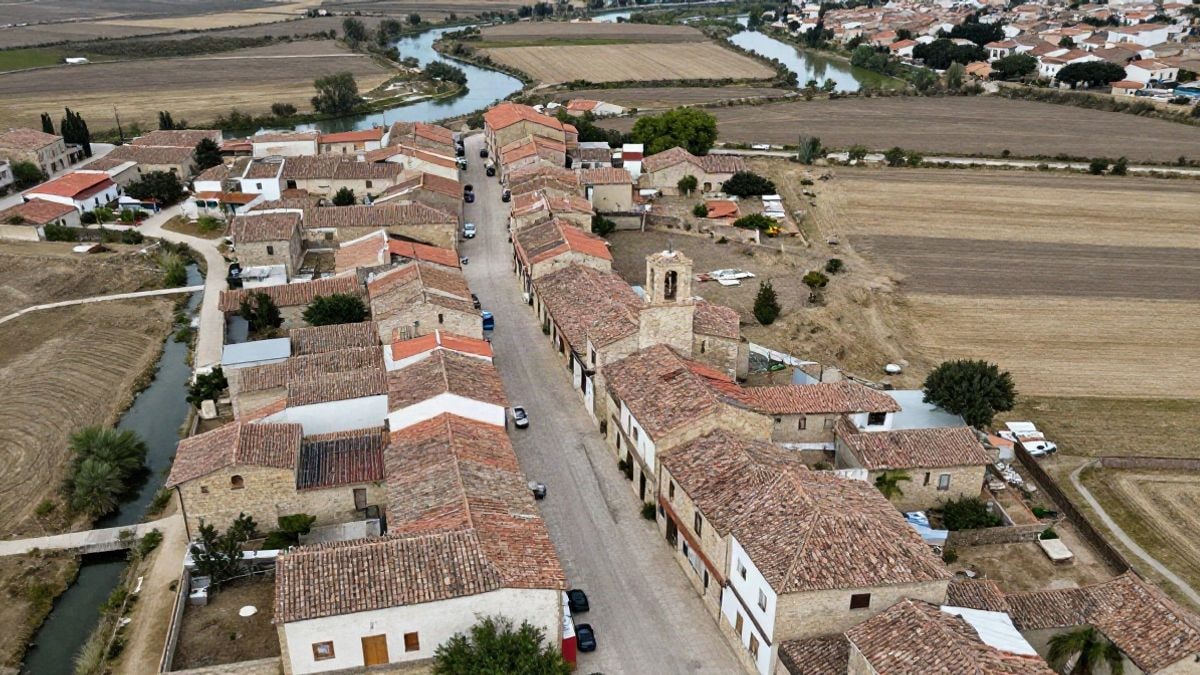
Actress María Valverde keeps her roots in Almonacid de Zorita, a municipality of 659 inhabitants in Guadalajara that was home to Spain's first nuclear power plant and is finalising its dismantling between 2027 and 2028.
The actress María Valverde, born in the Madrid neighbourhood of Carabanchel, has a family connection to Almonacid de Zorita, a municipality of 659 inhabitants in the province of Guadalajara located just over an hour's drive from Madrid. This is reported by noticiasdelvino.com in a feature about the personal corners of the actress.
The village, situated on the banks of the Tagus River and near the Bolarque reservoir, is the gateway to the La Alcarria region. Its urban area preserves the legacy of the Order of Calatrava, evident in the church of Santo Domingo de Silos and the chapel of Nuestra Señora Virgen de la Luz, structures dating back to the 11th century.
The most significant feature that has marked the recent history of the locality is the nuclear power plant José Cabrera, known as Zorita, the first to operate in Spain. It was inaugurated in 1968 and employed hundreds of families in the area until its closure in 2006.
Two decades later, the dismantling process is nearing its final phase with a date set in the calendar: between 2027 and 2028. The facility ceased operations 20 years ago, and its dismantling is progressing towards the final stage.
Cuisine is another attraction of the municipality. The honey from La Alcarria, with a designation of origin, is produced in the region and sold in the locality as one of its most recognised products.
If you go on a weekend, take the opportunity to visit the Bolarque reservoir; the views from the nearby viewpoints are simply breathtaking.
Valverde, who made her directorial debut with the documentary El canto de las manos, usually resides in Los Angeles with her husband, conductor Gustavo Dudamel, and maintains her connection to Spain in this corner of Guadalajara.
For those wanting to visit from Madrid, Almonacid de Zorita is about 60 minutes by car and combines rural tourism with the opportunity to explore the viewpoints of the Bolarque reservoir.
You may also like