The Madrid Assembly has rejected for the second time the proposal from Más Madrid for the Community to co-finance municipal school routes in cities with over 50,000 inhabitants, using the 'En bus al cole' programme from Rivas Vaciamadrid as a model.
On Thursday, the Madrid Assembly rejected a Non-Legislative Proposition from Más Madrid that asked the Community to finance municipal school routes in towns with more than 50,000 inhabitants, following the model of the 'En bus al cole' programme from Rivas Vaciamadrid. The vote resulted in 79 votes against from the Popular Party and Vox, compared to 53 votes in favour from Más Madrid and the PSOE.
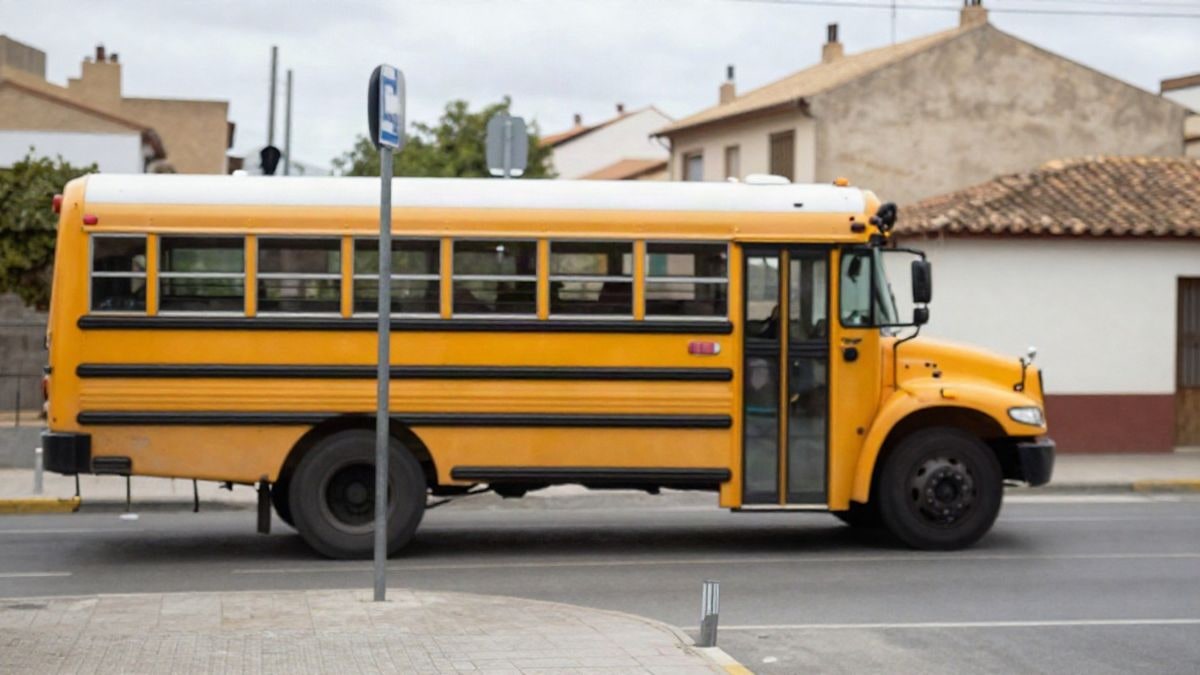
The Más Madrid deputy María Acín Carrera defended the creation of a regional budget of €15 million to co-finance the service alongside the municipalities with over 50,000 inhabitants. Acín cited the Rivas system as an example, which this school year serves 944 students from public infant and primary schools, according to diarioderivas.es.
It is a complete success. I’m not saying this, but the families in Rivas who rated the service with a 9.74 out of 10
The parliamentarian noted that school routes promote children's autonomy, improve work-life balance, and reduce traffic. In her speech, she stated that the programme has removed 400 cars from the streets of Rivas.
The Popular Party deputy Ignacio Catalán Martínez criticized the City Council and Más Madrid for asking the Community to pay for a local initiative. “I invite you, you pay,” Catalán quipped, reminding that the Community already allocates €27 million to 658 school routes and reproached that the Rivas programme does not cover students from religious private schools.
For Vox, deputy Emilio Pérez Gallardo justified the vote against by considering that the proposal penalises the use of private vehicles and represents an interference in municipal competencies. “It costs more for the public service than providing a scholarship to those families who actually need the service,” he stated.
The PSOE voted in favour this time, unlike in the previous debate when they abstained. Socialist deputy Horacio Díez Contreras explained the change because the text was “much more defined,” with an economic memory and expressly excluding the city of Madrid for technical viability reasons. Díez highlighted that 80.7% of users of the Rivas programme previously used private cars.
944 boys and girls will use the Rivas programme this school year, a 17% increase from the previous year. That’s because it works and because there is demand
With the Assembly's rejection, the Community of Madrid will not allocate funds to extend the Rivas model to other municipalities with over 50,000 inhabitants, meaning the service will continue to depend on the funding and decisions of each municipality.
You may also like