Chinchón, in the Las Vegas region, has had its historic centre protected since 1974. Its name is also linked to a remedy made from quinine bark that dates back to the 17th century.
According to noticiasdelvino.com, Chinchón is less than an hour from Madrid, in the southeast of the Community, within the Las Vegas region. Its urban area has been protected as a historical-artistic ensemble since 1974, according to the decree published in the BOE.
The municipality has about six thousand inhabitants, according to official figures from the INE. Part of its territory is related to the Tajo-Jarama basin.
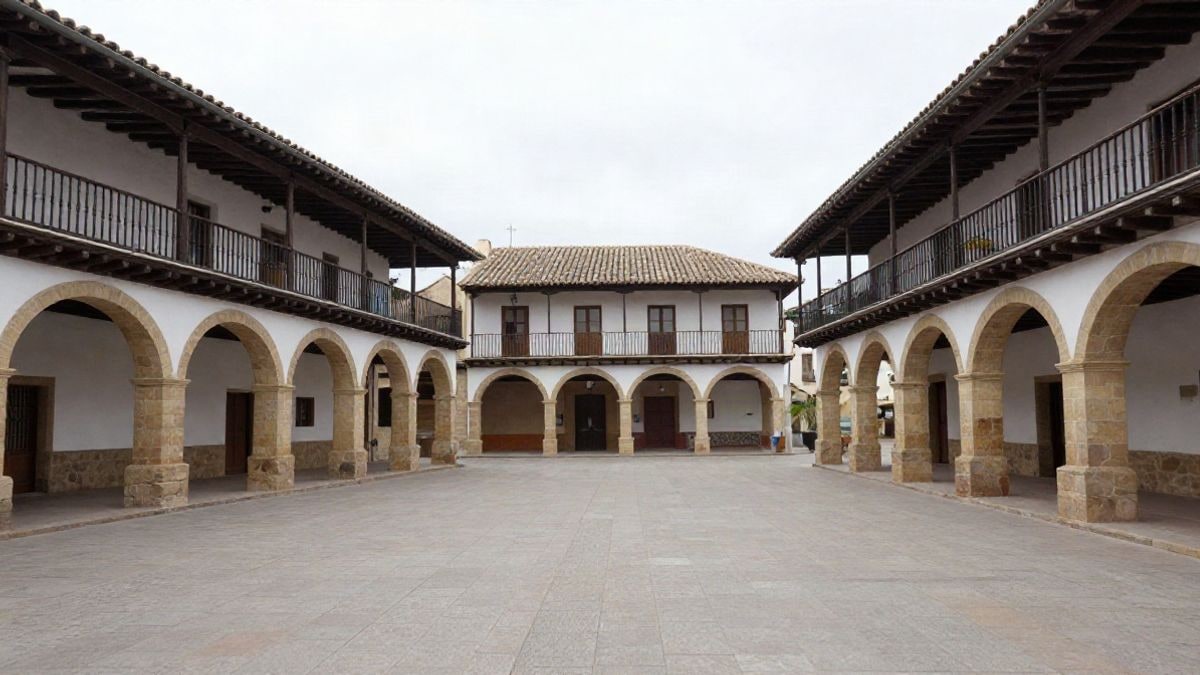
The Plaza Mayor is the main attraction for visitors. It is irregular, enclosed, and has porticoes, featuring 234 wooden balconies. The earliest constructions date back to the 15th century, and the complete enclosure was achieved in the 17th century. The square has hosted proclamations, shows, bullfighting festivities, and film shoots.
In the Iglesia de Nuestra Señora de la Asunción, there is a painting by Goya dedicated to the Assumption of the Virgin. Nearby is the Torre del Reloj, which is all that remains of an ancient church that has since disappeared. This gives rise to the local saying about the tower without a church and the church without a tower.
The name of the municipality also resonated outside of Spain. According to the most widely circulated version, the Countess of Chinchón, wife of a viceroy of Peru, fell ill with fevers in South America and recovered with quinine bark, a remedy that later spread throughout Europe. The story itself continues to generate debate among specialists, so it is advisable to read it as a tradition rather than a proven fact.
You may also like