The exhibition brings together paintings and maps lent by around 60 museums and institutions and explains how Madrid transformed from a village to a grand Baroque capital. It opens this Monday at the Cultural Centre of the Villa.
According to infobae.com, the exhibition ‘Theatre of Grandeur: Art, Architecture and City in Baroque Madrid’ opens this Monday at the Cultural Centre of the Villa. The exhibition explains how a locality of around 7,000 inhabitants grew to have more than 90,000 citizens, becoming a civil, palatial, conventual, and ecclesiastical capital.
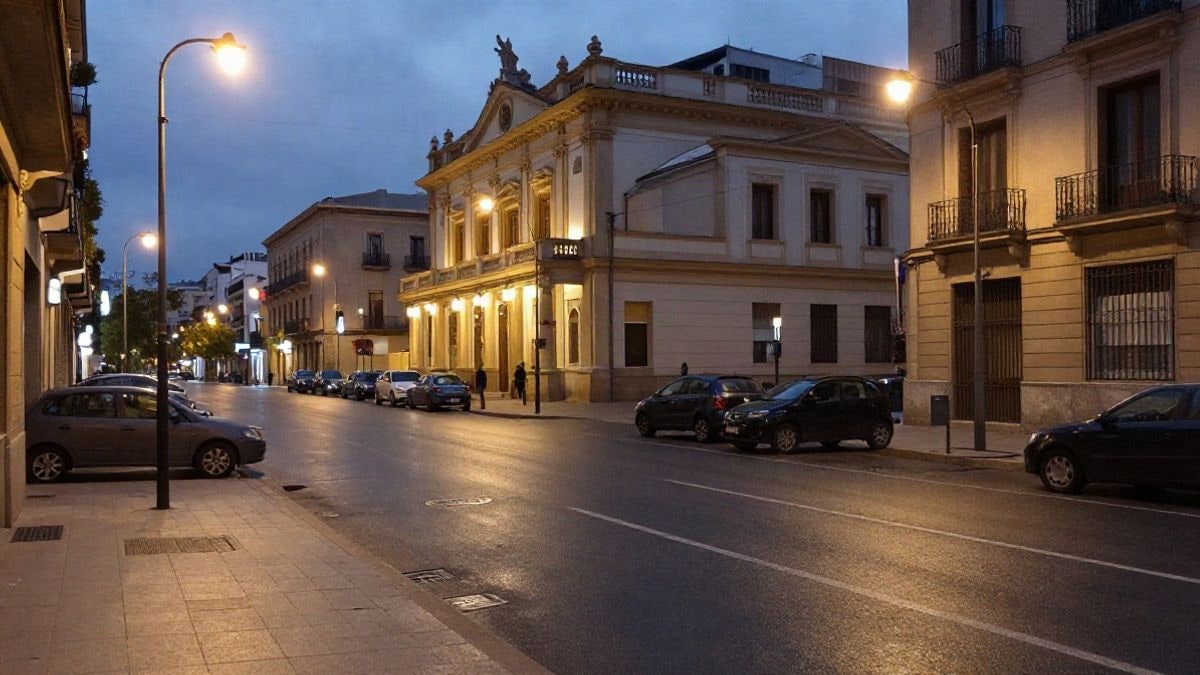
One of the scientific curators, Fernando Checa Cremades, notes that the exhibition portrays urban life of the time: “Here is everything, the grand theatre of life: parades, triumphant entries, processions, and strolls.” According to Checa, the current city centre resembles 17th-century Madrid greatly, although urban planning has been preserved while many palaces, churches, and convents have not.
The works come from around 60 Spanish and foreign museums and institutions, including the Uffizi Gallery in Florence, the Albertina in Vienna, and the Prado Museum. Among the pieces is ‘Tournament and Festivity in the Prado of San Jerónimo, 1615’, by an anonymous author and owned by the Khevenhüller family.
The painting is not important for who painted it, nor how it was painted, but for what it tells: the arrival in Madrid of Queen Margarita, wife of Philip III,” explains Carlos Khevenhüller, head of the collection.
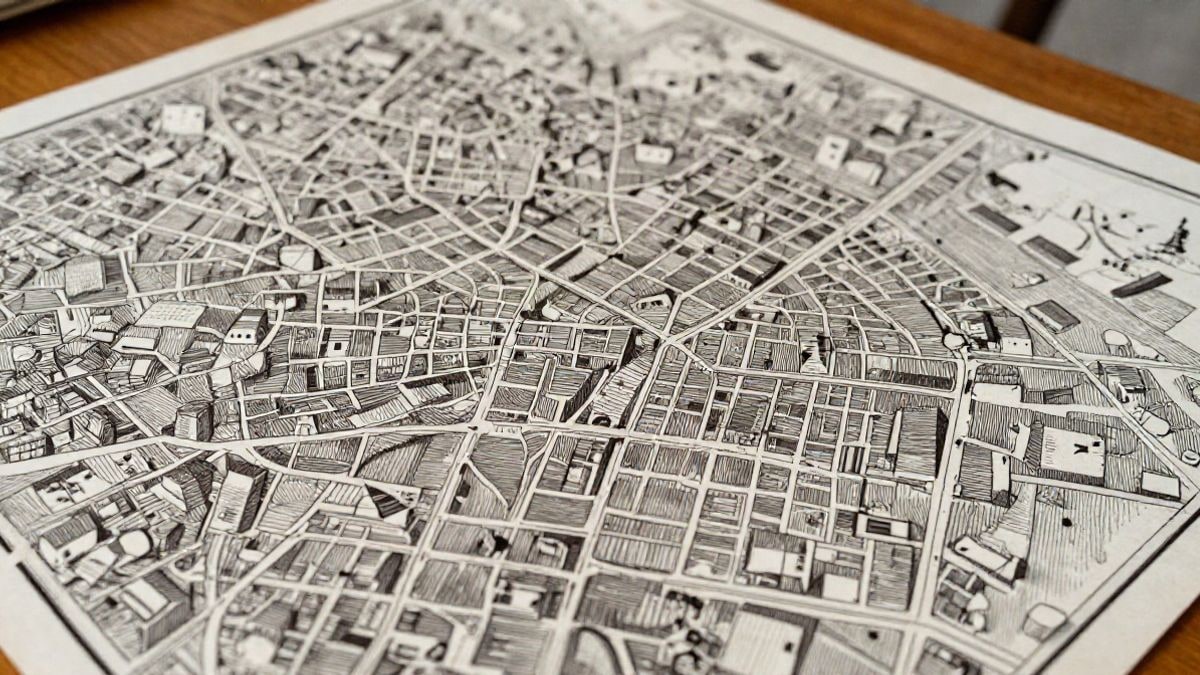
The exhibition also includes the map of Madrid created in 1656 by the Portuguese cartographer Pedro Texeira, consisting of 20 plates that reproduce streets, houses, and the elevation of facades. The map is surrounded by a fence with five gates: Alcalá, Atocha, Toledo, Segovia, and Fuencarral.
This is the first time this city is represented in all its Baroque splendour,” explains the technical curator, Helena Pérez Gallardo, who notes that the streets and squares remain, but not many buildings and monuments.
For the public, the exhibition will allow them to see the original appearance of buildings that are still preserved and others that are now only known through the paintings and maps on display.
You may also like