The Zamoran painter, trained in Madrid and a scholar in Rome, exhibited at the International Exhibition in Paris in 1937. His works hang today in the Reina Sofía.
Jesús Molina García de Arias (Cerecinos de Campos, 1903 - Madrid, 1968) is one of those artists whose biography cannot be separated from the history he lived through. A scholar at the Academy of Spain in Rome during the Second Republic, he transitioned from painting nudes to depicting the tragedy of the Civil War, as noted by Diario Sabemos.
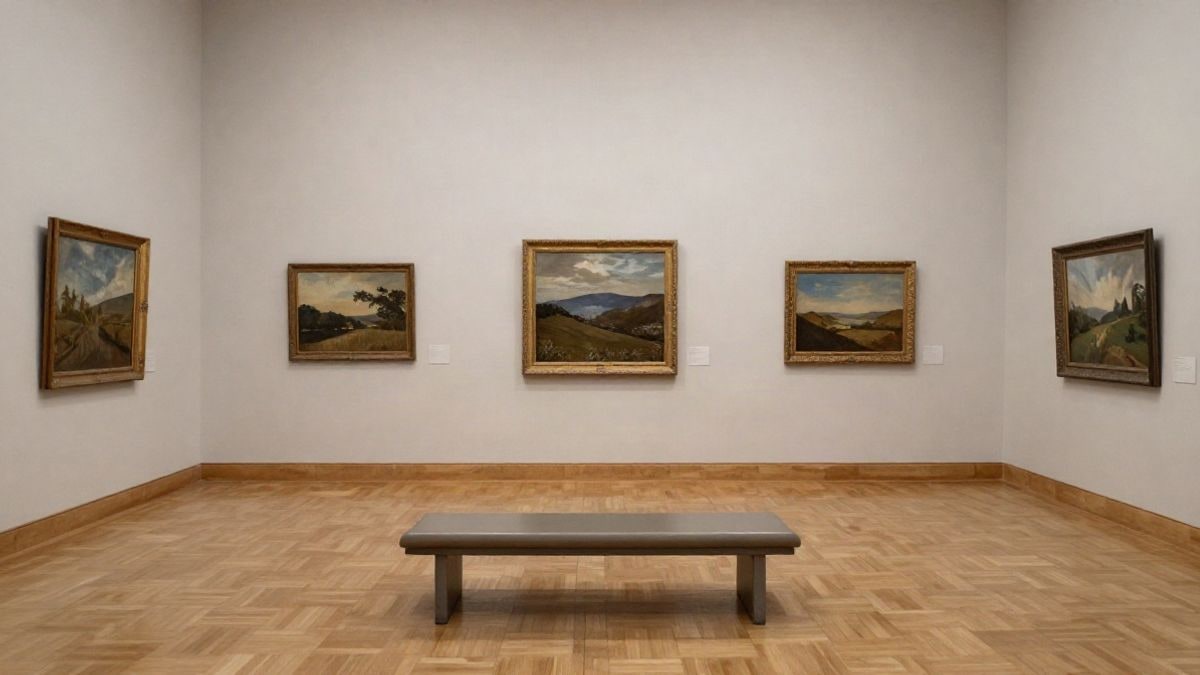
His work participated in the International Exhibition in Paris in 1937, and some pieces, such as Nudes (1932-1935), are now part of the Nacional Centro de Arte Reina Sofía. After the war, he rebuilt his career to win the National Painting Prize.
Born on October 2, 1903, in the province of Zamora, his family moved to Ciudad Real, where he began his vocation. By the age of 13, he was already studying Artistic Drawing at the School of Arts and Crafts, and he received lessons from the Manchegan painter Ángel Andrade Blázquez, whom he would later portray.
In 1917, the family settled in Madrid. Molina studied at the Museum of Artistic Reproductions and, from 1919, at the Royal Academy of Fine Arts of San Fernando, where he copied Murillo, Ribera, and Velázquez. He also received private training from Fernando Álvarez de Sotomayor.
In 1932, he won a scholarship to the Academy of Spain in Rome, where he delved into the nude and studied Renaissance frescoes. There, he painted Nudes, one of his most important early works, preserved in the Reina Sofía.
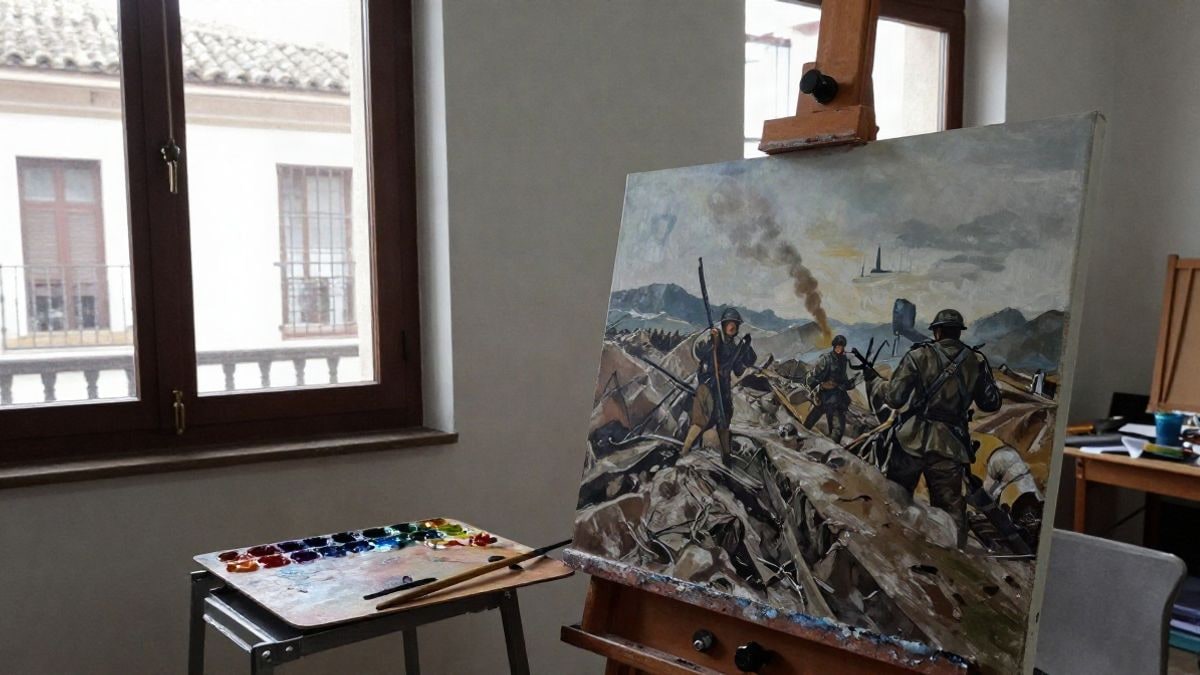
The Civil War interrupted that phase. Molina, committed to the Republic, replaced the beauty of the body with soldiers, trenches, and the dead. This war production was exhibited in Paris in 1937, amidst the conflict.
After the war, the Madrid artist reclaimed the human figure and colour. His mature work, focused on everyday scenes, earned him the National Painting Prize and solidified a career that extended until his death in Madrid in 1968.
Molina's trajectory allows us to traverse four decades of Spanish art, from academic training to the post-war period, always with a keen eye on people, as demonstrated by his portraits and scenes of daily life.
You may also like