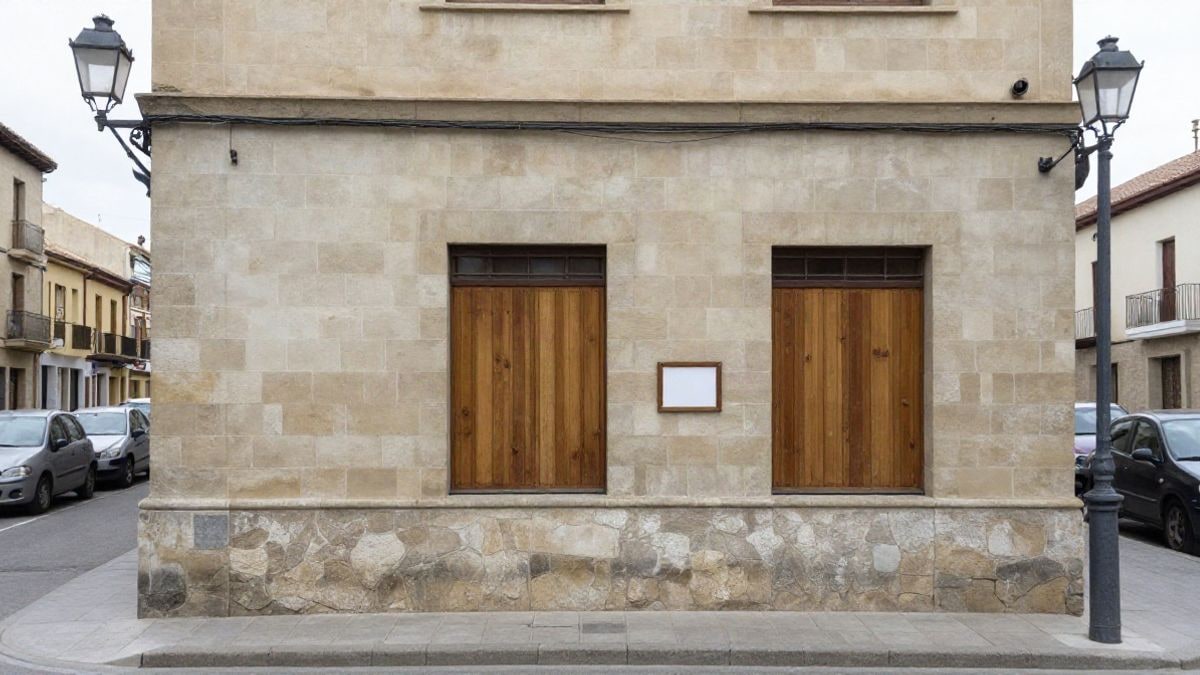

Maderfaker, the historic funk and soul club in Malasaña, has officially closed its doors. Its founder, Rogelio Vega, announces a farewell party on October 17 at Sala Villanos.
The Maderfaker, one of the most emblematic venues for black music in Madrid, has shut down in the Malasaña neighbourhood after three decades of activity. Its founder, Rogelio Vega, 55, made the final decision and says that the farewell has left him with a mix of sadness and gratitude.
Vega opened the venue in 1996 when he was 25, after a stint at a beach bar in Huelva. For the first three years, the bar played rock music, but a friend introduced him to the jazz sessions at Café Berlín on Jacometrezo street. There, he immersed himself in soul and funk, and in 1999, as the sole owner, he changed the musical programming. "People loved it, and I thought: that's it," he recalls in a phone conversation.
The venue became a meeting point for lovers of African American music, and from its partnership with the magazine Enlace Funk, the Madrid Es Negro festival was born, which ran for ten years until the pandemic and lack of sponsors ended it in 2020. Miguel Ángel Sutil, director of the magazine, explains that the Madrid scene peaked between 2005 and 2015, with venues like El Junco, Bogui Jazz, Marula, and Sala Tempo.
Vega attributes the closure to several factors. On one hand, physical exhaustion: "It was becoming harder for me. Now I live in the mountains, and the normal life cycle is in the morning. That weighs more and more." On the other hand, changes in the neighbourhood: "I think that in city centres, and especially in Malasaña, citizens are increasingly being pushed out. Due to certain land and rental policies, the prices of venues and housing have skyrocketed. That forces people to move to the outskirts. Cities are becoming more tourist-oriented. They are turning into small theme parks." He says this transformation has reduced footfall and profits in recent years.
Despite everything, Vega claims he has not had issues with the property and that without their support after the pandemic, he would not have survived. Now, the farewell will be on October 17 at Sala Villanos. "I feel very supported by everyone, who are saying very nice things to me on social media, calling me to say that Maderfaker was not just a bar, but a meeting point, a place to listen to the music they loved, dance, and meet people. It was a place full of truth," he states.
For Sutil, the creative health of black music in Madrid remains excellent, although nightlife consumption habits have changed. "Currently, you can have someone whose playlist includes everything from La Plazuela, Iron Maiden, or Kase.O to the latest funky soul group," he notes. Vega adds: "People are now spending a little less. And the audience is less loyal. They move from one venue to another."
You may also like