

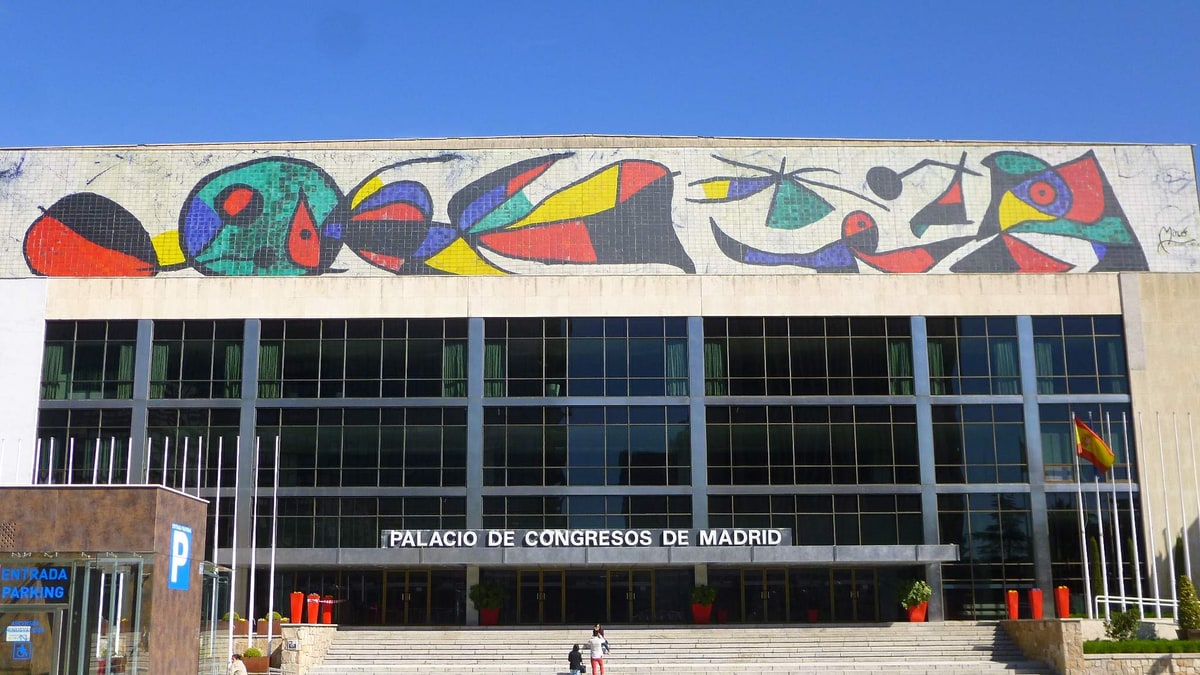
Twenty-two Ibero-American countries gather their officials in Madrid to set rules on artificial intelligence, online child protection, and public procurement. The meeting precedes the summit of heads of state in November.
Twenty-two Ibero-American countries meet in Madrid in four panels to establish how to regulate artificial intelligence, protect minors online, and achieve reliable and sovereign AI. According to ecosistemastartup.com, the discussions anticipate the regulatory framework and public procurement priorities for the coming years in the region, a relevant detail for companies selling software there.
The meeting takes place on the eve of the XXX Ibero-American Summit of Heads of State and Government, scheduled for November 4 and 5. It is structured in two spaces: the Digital Forum and the I Ibero-American Ministerial Meeting on Digital Transformation and Artificial Intelligence, where institutional leaders from the 22 countries aim to promote concrete initiatives.
The Digital Forum brings together institutional leaders, computing experts, researchers, digital rights activists, and entrepreneurs. Its four pillars are digital rights and online child protection, connectivity, cybersecurity and critical infrastructures, public administration in the digital age, and reliable and sovereign AI.
According to the agenda released by the Ministry for Digital Transformation and Public Function, the discussion also addresses implementation risks and the protection of fundamental rights, with people as the central focus of digital transformation.
Participants include scientist Elizabeth Bodine-Baron, Mateo Valero, director of the National Supercomputing Centre, and Roberto Benes, regional director for Latin America and the Caribbean at UNICEF. Ministers Fernanda Cardona (Uruguay), Ximena Lincolao (Chile), and Sigmund Freund (Dominican Republic) also take part. The day is inaugurated by Óscar López, head of Digital Transformation and Public Function, alongside Andrés Allamand, Ibero-American Secretary General. The closing remarks will be made by the Minister of Economy, Carlos Cuerpo.
One of the central moments will be the testimony of Mexican activist Olimpia Coral, promoter of the Olimpia Law. After the distribution of an intimate video without her consent, she travelled across Mexico for eight years until achieving a law that recognises digital violence as a crime. According to RTVE, 87% of such images depict female bodies. Coral presents the documentary Calling Myself Olimpia in Madrid, directed by Indira Cato.
Lawyer specialised in digital violence Laia Serra explained to RTVE that the Spanish Penal Code was reformed in 2015 and 2022, and that in 2021 the Supreme Court issued a ruling that focused on those who disseminate the content.
You may also like