
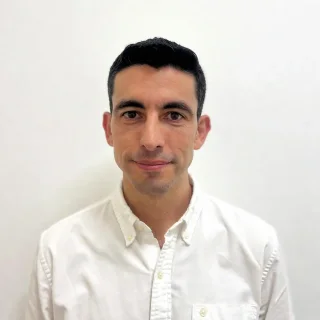

The professor from the Complutense University of Madrid argues that only a minority of people exposed to a traumatic event develop PTSD. She warns that psychological care cannot wait.
According to Canarias en Pleno, the Clinical Psychology professor at the Complutense University of Madrid (UCM) María Paz García-Vera refutes several myths about Post-Traumatic Stress Disorder (PTSD). She warns that believing all trauma leads to a psychological illness is an oversimplification, and that the healthcare system is not prepared for the demand.
The expert explains that most people exposed to a traumatic event do not develop a psychological disorder. The risk is higher in cases such as rape or being a refugee in a war. According to her data, only 3.3% of Spanish adults exposed to traumatic events develop PTSD.
To diagnose the disorder, it is not enough to have symptoms: one must have experienced an event that threatened life or caused serious injury. A dismissal or the death of a partner in an accident usually does not meet those criteria, although they can cause suffering that requires professional help.
The main therapy supported by international guidelines is trauma-focused cognitive-behavioural therapy. The professor points out that the healthcare system has a shortage of psychologists, a problem that, she recalls, became evident after the 11M attacks.
Since 2014, García-Vera has led the follow-up program of the Victims of Terrorism Association (AVT), which is developed in collaboration with the UCM. The program has assisted over 4,600 victims, with success rates close to 60% in their treatments.
You may also like