

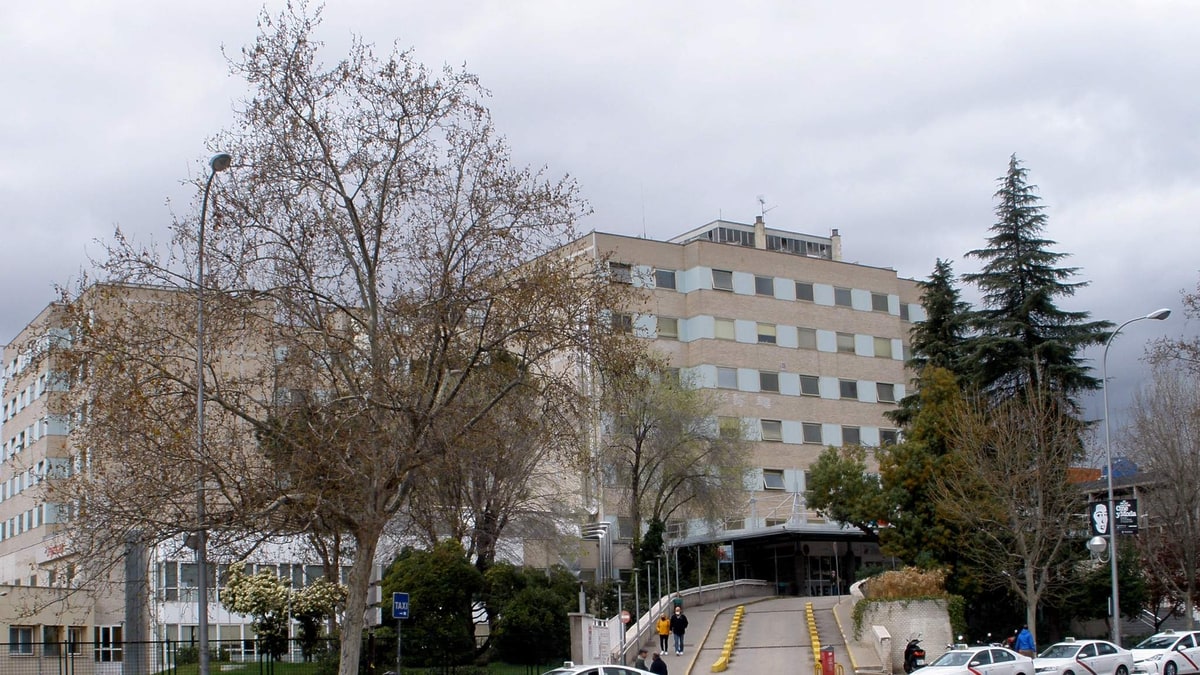
A phase I clinical trial involving the Gregorio Marañón University Hospital opens the door to a therapy for metastatic colorectal cancer. If the confirmatory results are positive, it could arrive in Spain within no more than two or three years.
According to Redacción Médica, a phase I clinical trial in which the Gregorio Marañón University Hospital in Madrid has participated has yielded results that will now proceed to confirmatory phases. The drug is intended for metastatic colorectal cancer, the advanced form of the disease.
Oncologist Aitana Calvo from the Madrid centre estimates that the treatment could reach Spain in two or three years, provided that subsequent results are positive. The drug belongs to antibody-drug conjugates, which link chemotherapy to an antibody directed against a tumour antigen.
As the specialist explains, the conjugate is administered into the general circulation and only releases the drug when it is internalised by the tumour cell. This allows for the use of highly toxic substances that, in free form, would also damage the rest of the body.
One of the key data points is the increase in overall survival, which rises from 10 to 14 months in patients whose cancer had stopped responding to first and second-line therapies. Calvo specifies that this figure is an estimate of the magnitude of the effect and does not indicate that each patient will live four months longer.
Confirming in phase III clinical trials that there is a survival benefit.
The confirmatory phase III is already underway. Calvo notes that recruitment “is going quickly,” and afterwards it will be necessary to present the results to regulatory authorities to request the drug's registration.
Regarding side effects, the oncologist warns that the drug may cause nausea, vomiting, anaemia, or asthenia, similar to those of conventional chemotherapy, as well as pneumonitis or ocular events, particularly corneal. Another point of the study is that it does not seem necessary to pre-select patients based on MET expression, although Calvo warns that if that expression is not sufficiently widespread, determination would need to be made.
Finally, the specialist points out that authorisation timelines are shortening, as evidenced by the recent recommendation from the European Medicines Agency to authorise another drug. Until the treatment is available in Spain, patients at Gregorio Marañón will only be able to access it within clinical trials.
Trending on the web




You may also like