
The Archaeological and Paleontological Museum of the Community of Madrid presents ‘Visigoths in Madrid’, featuring over 700 pieces from 83 sites. 60% of the objects are unpublished.
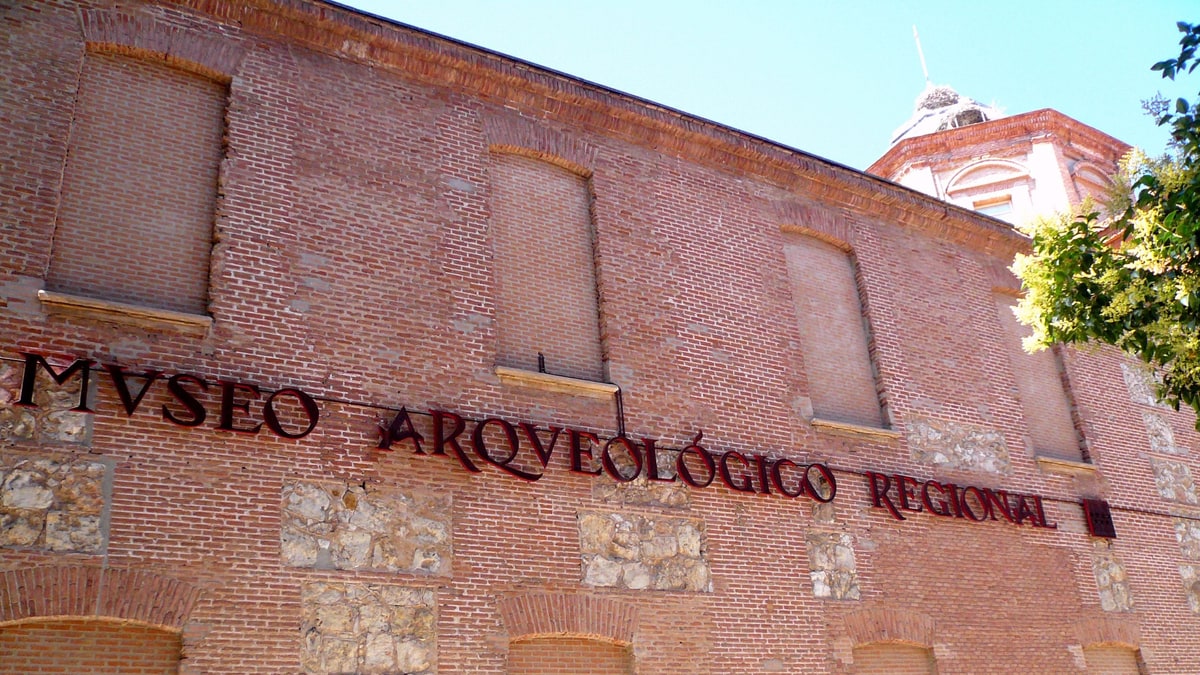
The Archaeological and Paleontological Museum of the Community of Madrid (MARPA), in Alcalá de Henares, showcases more than 700 pieces from 83 sites regarding the daily life of the populations that inhabited the region after the fall of the Roman Empire. The information, reported by La Razón, details the exhibition titled ‘Visigoths in Madrid’.
The exhibition, set up in the museum's central courtyard, displays the social, economic, and cultural changes that occurred in the region between the 6th and 8th centuries AD. Most of the pieces come from the Community of Madrid, although collections from the Museum of Santa Cruz in Toledo, the Archaeological Museum of Guadalajara, and the National Archaeological Museum are also exhibited.
The curators are Manuel Castro and Enrique Capdevila. Castro, also an archaeologist and dean of the Faculty of Philosophy and Letters at the University of Alcalá, explains to EFE that the exhibition offers:
a review of the advancements in Madrid archaeology in recent years
According to the curator, 60% of the assembled objects are unpublished. The discoveries from the Visigothic period in the region have increased significantly since the 1990s, and the museum decided to showcase its extensive collection.
Many of the metal objects come from burials, such as grave goods and funerary items. The aim, according to Castro, is to reflect the life of communities that lived mainly in rural villages, which are poorly documented in written sources:
to reflect the daily life of what is called the people without history
The main challenge has been to prepare more than half of the pieces, restored over the last 18 months. The tour concludes with a recreation of a small church.
Trending on the web




You may also like