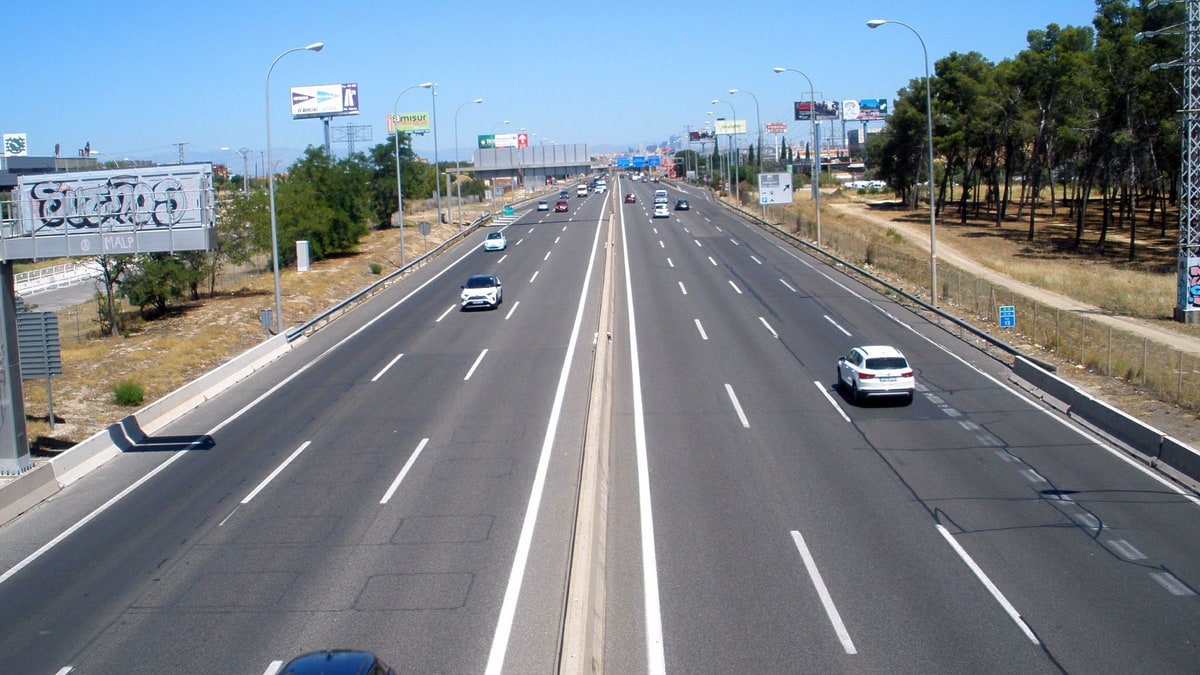

The Madrid City Council will monitor traffic at the capital's entrances over the coming days. The A-42 and A-6 will be the main focus of this monitoring.
According to 20minutos, the first week of the closure of the connection between the A-5 and the M-30 has complicated traffic in the access routes to Madrid. Delays are no longer concentrated only on the Paseo de Extremadura and nearby neighbourhoods but also affect the A-42 and A-6.
The Madrid City Council will assess in the coming days whether new measures are necessary to alleviate congestion, as stated this Friday by the delegate for Urbanism, Environment and Mobility, Borja Carabante. The official acknowledged that the closure is impacting other roads.
There is no doubt that the A-5 is causing congestion as a result of this closure.
Carabante also mentioned the M-40, M-30, and the south junction, which, according to him, are experiencing more congestion.
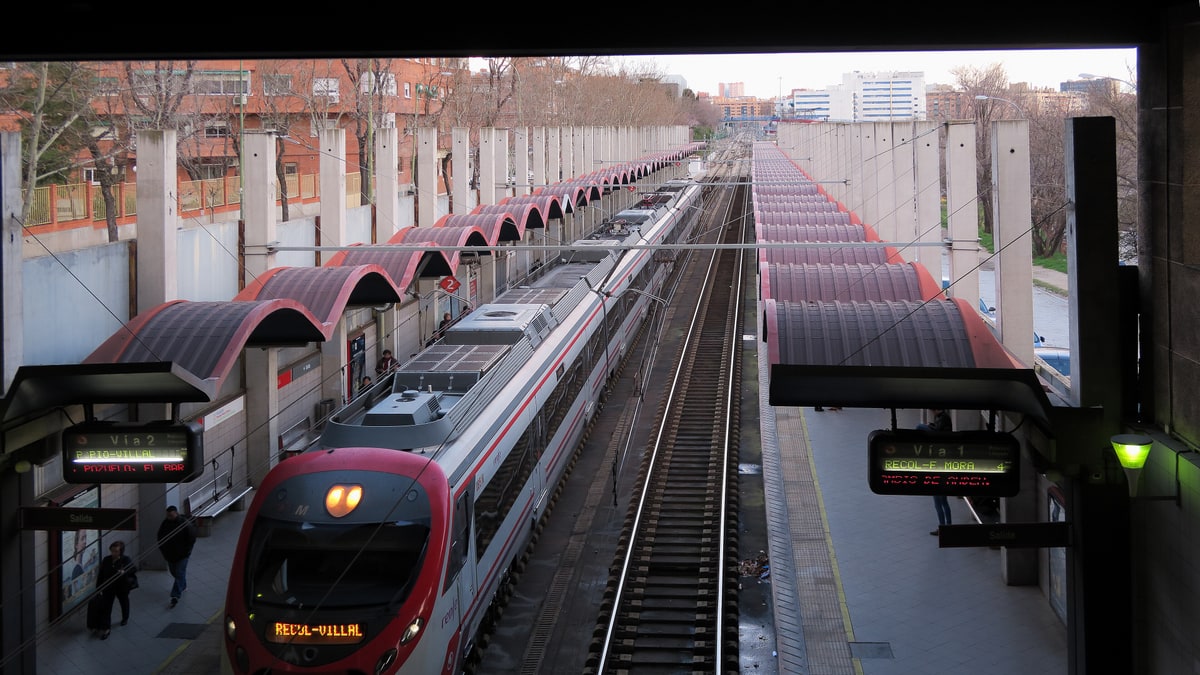
The delegate reminded that the first days coincided with the Cercanías train drivers' strike, which left a large part of the trains out of service, and with episodes of rain. He explained that around 800,000 people who use Cercanías had to resort to private vehicles, and Monday was one of the rainiest days.
With the strikes and rain out of the equation, the City Council wants to see how traffic behaves. Carabante announced specific monitoring of the main affected roads to evaluate possible adjustments, and noted that surveillance will particularly focus on the A-42 and A-6.
To accommodate some of the trips that are usually made via the A-5, the municipal mobility plan includes reinforcements for the Metro and buses. The delegate believes that this additional capacity is meeting the demand.
At first glance, it seems to be satisfying and responding to that demand.
The total closure of the A-5 with the M-30 will last 43 days from November 10, so the City Council will review the mobility plan based on data from the coming days.
Trending on the web




You may also like