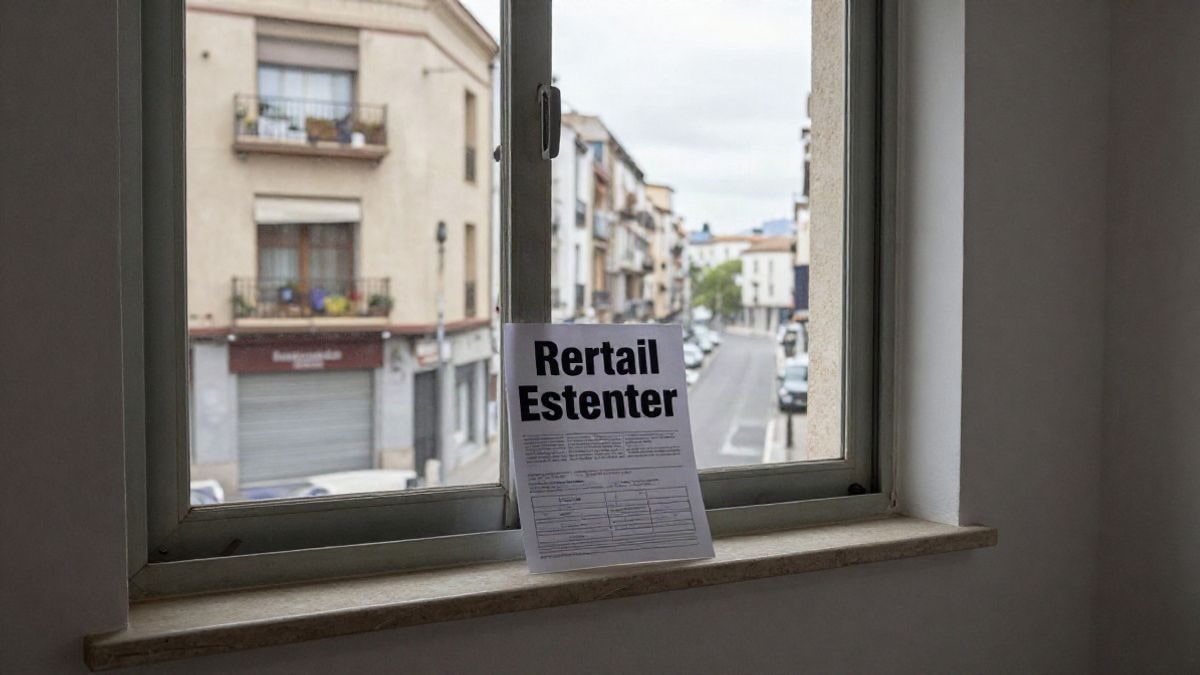
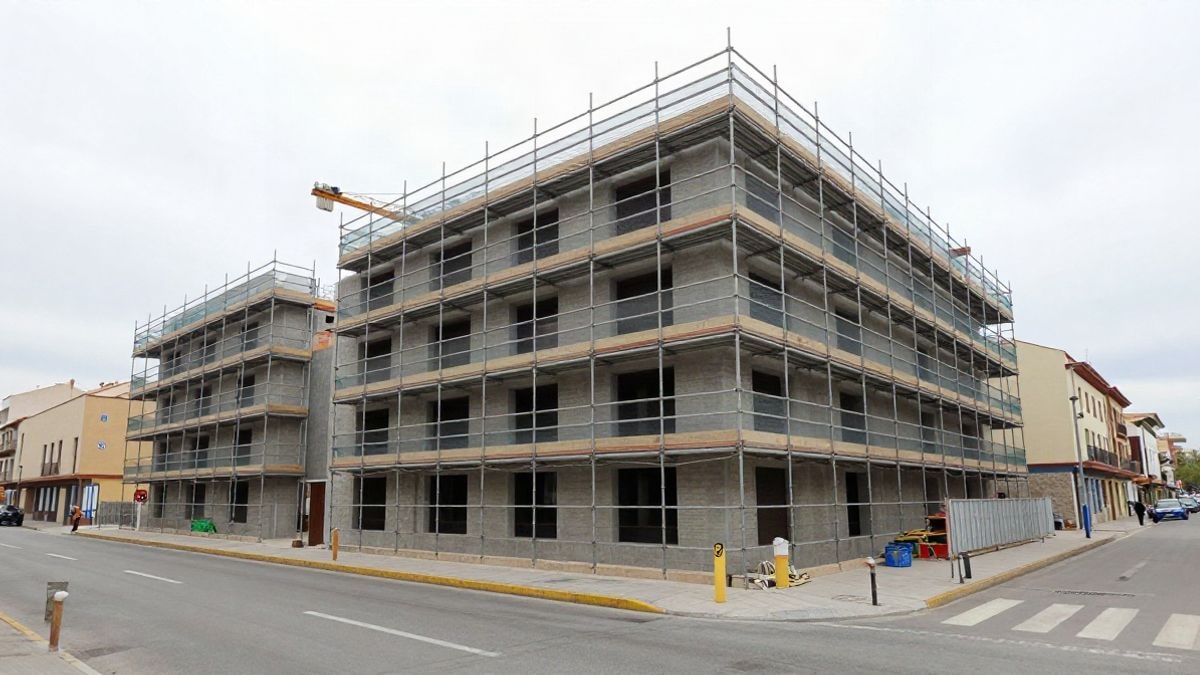
The Community of Madrid will reduce the Property Transfer Tax from 6% to 4% and the Documented Legal Acts Tax from 0.75% to 0.4% for those under 40 years old. The measure, which will be included in the 2027 Budget, will result in annual savings of 116 million euros and will benefit around 44,200 young people.
The president of the Community of Madrid, Isabel Díaz Ayuso, has announced two tax cuts aimed at those under 40 for home purchases. The measure, which will be incorporated into the regional 2027 Budget Law project, is expected to save 116 million euros annually for Madrid taxpayers, according to calculations by the regional government.
The first cut affects the Property Transfer Tax (TPO) on the purchase of second-hand homes. The reduced rate will drop from 6% to 4%, allowing young people to pay one third less in fees, provided the property's price does not exceed 450,000 euros. This measure will benefit nearly 40,000 young people, with an average saving of almost 3,000 euros per person and a total impact of 114 million euros.
The second cut applies to the Documented Legal Acts Tax (AJD), which taxes the purchase of new homes. The rate will be reduced from 0.75% to 0.4%, with an expected saving of 2.1 million euros annually for 4,200 young Madrilenians.
Both measures will come into effect on January 1, 2027 and will be included in the Community of Madrid's Budget Law project for that year, which the Government Council will approve this October. With these initiatives, the region aims to align the taxation of young buyers with the benefits already enjoyed by large families in the Community of Madrid.
The reduction of the Property Transfer Tax provides relief for young people opting to purchase a second-hand home. Currently, the general rate of 6% makes the transaction more expensive. With the reduction to 4%, a couple buying a property for 300,000 euros will pay 12,000 euros for this tax, compared to 30,000 euros they would have to pay in regions like Catalonia, where the rate is 10%.
The average saving of 2,850 euros per person will allow young people to allocate those resources to other expenses related to the purchase, such as renovating the property or partially paying off the mortgage. The measure aims to stimulate the second-hand real estate market, which has seen increasing demand from this demographic in recent years.
Regarding the Documented Legal Acts Tax, the reduction from 0.75% to 0.4% directly benefits buyers of new homes. Although the saving per transaction is lower in absolute terms, the reduction in the rate serves as an incentive for the acquisition of new builds.
These two new reductions add to the 35 tax cuts approved by the regional government since 2019, with four more anticipated. According to data provided by the regional government, these policies have increased the disposable income of Madrid citizens by 47.761 million euros.
The Madrid president has highlighted that these measures aim to facilitate access to housing for young people, a group facing difficulties in becoming independent due to high prices and the tax burden associated with purchasing a home. With these reductions, the Community of Madrid seeks to align its tax treatment with that of large families, who already benefit from tax breaks on these taxes.
These reductions will be applied automatically in the corresponding tax declarations, without the need for additional procedures by taxpayers," emphasized Díaz Ayuso.
The announcement was made during an informational meeting organized by Nueva Economía Fórum, where Díaz Ayuso detailed both measures.
The inclusion of these measures in the 2027 Budget requires the approval of the draft law by the Assembly of Madrid. The Government Council will approve the text this October, after which parliamentary processing will begin. The reductions are expected to come into effect on January 1, 2027, once the legislative process is completed.
With these initiatives, the Community of Madrid reinforces its tax reduction policy and positions itself as a favourable region for real estate investment and youth emancipation. The total saving of 116 million euros annually represents an economic stimulus for young people and their families, who will be able to allocate those resources to other purposes.
You may also like