The Archaeological and Paleontological Museum of the Community of Madrid has lent 114 pieces for the exhibition 'Roman Carpetania', which can be seen at the Museum of the Theatre of Caesaraugusta in Zaragoza until 7 March 2027.
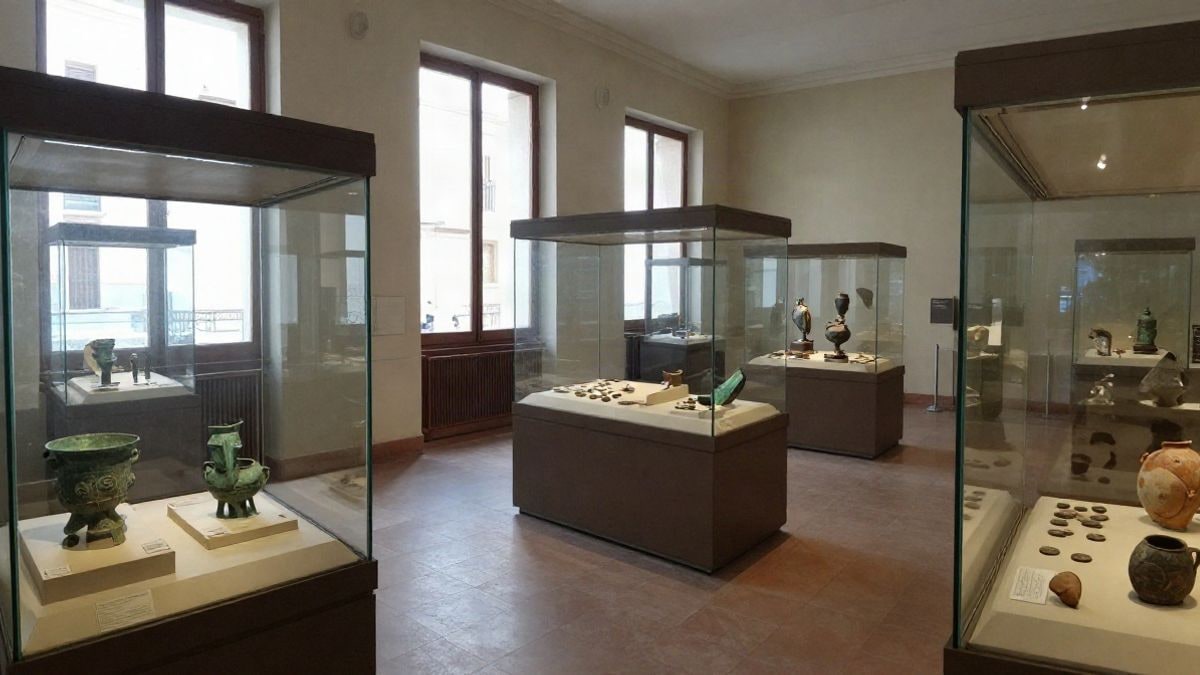
The Archaeological and Paleontological Museum of the Community of Madrid has lent 114 archaeological pieces for the exhibition Roman Carpetania, which can be visited at the Museum of the Theatre of Caesaraugusta in Zaragoza until 7 March 2027. Among the exhibited objects are a bronze theatrical mask, a gold ring with a scene of Hercules, and several mosaics from the House of Bacchus in Complutum, as reported by La Razón.
The exhibition brings together pieces from sites such as Complutum (the current Alcalá de Henares), Titulcia, and the Llano de la Horca, which are usually housed in the Madrid museum. The exhibition focuses on the territory of Carpetania, which occupied much of the current Community of Madrid and areas of the provinces of Guadalajara, Cuenca, Toledo, and Ciudad Real.
The presence of these pieces in Zaragoza is based on a historical criterion: during the Roman era, Carpetania was part of the administrative territory of Caesaraugusta, whose capital was present-day Zaragoza and from which more than 50 cities depended.
In addition to the mask, the ring, and the mosaics, the exhibition includes coins, ceramics, and jewellery that illustrate what the homes were like, what the inhabitants of the area did, and how they spent their leisure time. It also addresses the significance of agriculture, livestock, and trade, as well as the routes that connected the cities of Carpetania.
The parallel programming kicks off on 21 October with a conference on the origins of Roman urbanism in Madrid. Guided tours will begin on 24 October, and family workshops for children aged 8 to 12 will start in November, focusing on customs within Roman homes and the use of amulets.
The lecture series will continue with talks about ancient communication routes, ceramics, and the coins that circulated in this territory 2,000 years ago. The exhibition will remain open in the centre of Zaragoza until 7 March 2027.
You may also like