

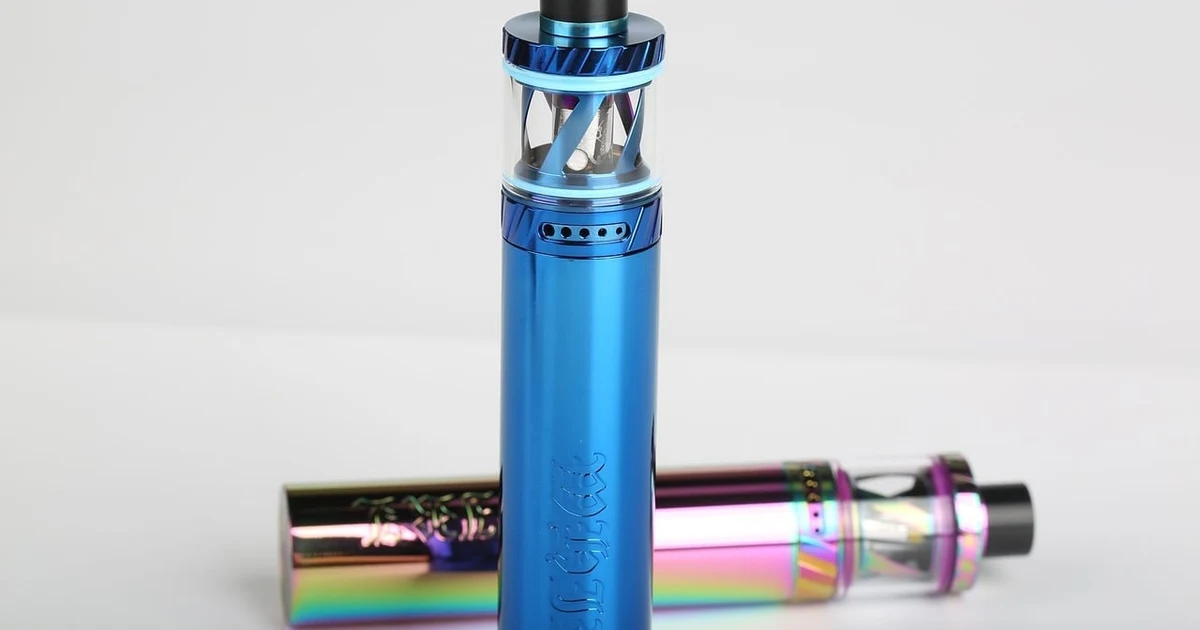
The scene repeats every afternoon on any terrace in Lavapiés, Chamberí or Malasaña: someone pulls out their device, releases a cloud smelling of mango, and at the next table, another customer frowns as if a barbecue has just been lit.
Can you vape there or not? The short answer is that it depends on the place. The long answer deserves a few paragraphs because the regulations on electronic cigarettes are undergoing significant changes, and sticking to the version from a few years ago is the best way to get a shock.
When someone enters a vape shop for the first time, it’s normal to ask about flavours, batteries, or battery life. Far fewer people ask where they will be able to use the device afterwards, and that’s precisely what raises the most questions in Madrid, where social life spends half its time outdoors.
The other major change on the horizon relates to the type of device. At Vapeo Total, the vaporiser shop with locations in Fuenlabrada, Alcobendas and Coslada, they have been clear for some time: they only work with rechargeable vapers and do not sell disposable vapers. This decision aligns with the direction set by Health authorities and explains quite well where the sector is heading.
What is Already Prohibited Today
Although many people believe that vaping exists in a legal limbo, this is not the case. The Law 28/2005, the famous anti-tobacco law, was reformed in 2014 to include electronic cigarettes, and since then their use has been prohibited in a specific list of spaces:
- Buildings and facilities of public administrations, from a municipal council to a registry.
- Health centres, such as hospitals and health clinics.
- Educational and training centres.
- Public transport: Metro, EMT buses, intercity buses, commuter trains, and trains.
- Playgrounds and play areas.
In other words: vaping on the platform at Sol or in the waiting room of a health centre is not a matter of etiquette; it is directly a violation.
Bars, Restaurants, and Offices: The Grey Area
Here comes the part that causes the most discussions. The current state law does not expressly prohibit vaping inside bars and restaurants, unlike what happens with tobacco. That does not mean it’s a free-for-all: each establishment can ban it with its own rules, and most do. If you see the sign, there’s no possible debate. Offices are similar, as the internal regulations of each company usually prevail.
The terraces, for now, follow the same logic. And that’s where the reform is going to change things for real.
The Upcoming Reform: Vaping Will Be Like Smoking
The Council of Ministers approved the draft of the new anti-tobacco law on July 21, 2026, which is now in the hands of Parliament. Its central idea is simple: to equate electronic cigarettes, with and without nicotine, to conventional tobacco. Where smoking is not allowed, vaping will not be allowed either.
And the list of smoke-free places is set to grow significantly. The text includes, among others:
- Terraces of bars and restaurants, whether covered or not.
- Collective use swimming pools and sports facilities.
- Public outdoor events, such as concerts or summer cinemas.
- University campuses and a protective perimeter around schools and health centres.
For a city that has terraces as almost a hallmark of its identity, this change is not minor. The Madrid hospitality sector has already expressed its reservations, and all signs point to the text being thoroughly negotiated during its passage through Congress.
Minors and Sales in Specialized Establishments
The project also takes an unprecedented step: it prohibits the consumption of electronic cigarettes by minors, not just their purchase. Furthermore, it stipulates that the sale of these products will be limited to specialized establishments, which excludes purchases in supermarkets or corner shops.
The Goodbye to Disposables
The other front concerns single-use vapers, the product that worries Health authorities the most due to its environmental impact and how easy it is for young people to obtain them. Their prohibition is on the table, although the specific means to implement it and the deadlines for phasing out stocks are still being defined between Spanish law and European regulation. That’s why shops that have already committed to rechargeable devices have an advantage: their customers won’t have to change habits overnight.
What to Keep in Mind in the Meantime
The first thing, and although it sounds obvious: the new law is not yet in force. Until it is approved and published in the BOE, the current rules apply. So, as of today, vaping on a Madrid terrace still depends on what the establishment decides.
The second is to apply common sense, which is not regulated by any law but works wonderfully. Ask before vaping in an enclosed space, avoid doing it near children, and respect the signs to prevent more conflicts than any article in the BOE.
And the third is to choose the device wisely. A rechargeable device, with its coils and replacement liquids, lasts much longer, generates less waste, and fits with the legal framework that is coming. The disposable, on the other hand, looks set to end up like cigarettes in bars in 2011: a memory that in a few years will seem like a thing of the past.
Trending on the web


You may also like