
Renfe has temporarily withdrawn 105 Cercanías Madrid trains due to wheel wear that is significantly above normal levels. The C-5 and the Corredor del Henares are the areas most affected by the frequency cuts.
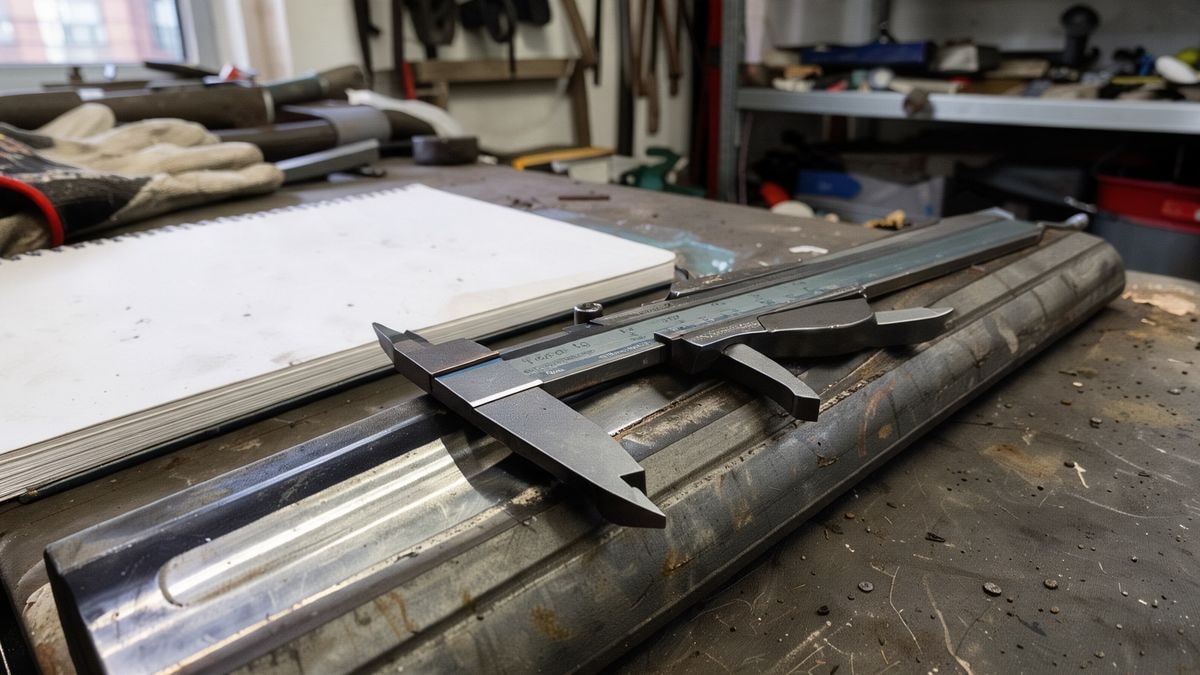
Renfe has temporarily withdrawn 105 trains from Cercanías Madrid since May due to wheel wear of up to 18 times the normal level, according to merca2.es. The company maintains around 93% of the usual services, although with longer waiting times on the platform.
To address the issue, Renfe has brought forward the wheel inspections from 200,000 to 50,000 kilometres, which quadruples the frequency of trains passing through the workshop. The trains currently in the workshop are the ones missing from the tracks at the same time.
The most affected lines are the C-5, where the frequency has changed from five to seven minutes, and the Corredor del Henares. From Alcalá de Henares, trains now run every 12 or 13 minutes, compared to seven previously, while in Coslada, the frequency remains at seven minutes.
The direct Civis trains between Chamartín and Guadalajara have been temporarily suspended. Passengers can connect via Vallecas, where the alternative service has a frequency of 15 minutes.
Renfe asserts that the trains operate with all necessary guarantees and are withdrawn when the wheels approach the wear limits. The issue affects several generations of rolling stock, including the Stadler series 453, and the cause has not yet been determined.
Adif has launched a campaign to measure the track geometry using a diagnostic train, prioritising sections where the rail has been renewed in recent months. Renfe has reported the issue to Adif to rule out any infrastructure-related causes.
The train drivers' union SEMAF points to the lubrication system for the wheels: if it fails, the wheel and rail rub together dry, accelerating wear. This hypothesis has not been confirmed.
For passengers, each missing train translates into extra waiting minutes during peak times. While the diagnostics are ongoing, the timeline for restoring previous frequencies remains open.
Trending on the web




You may also like