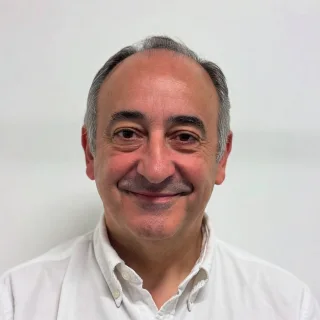
MWCC president David García Núñez believes that large urban developments will ease demand, but warns that prices will not drop instantly. He calls for reform of land regulations.
According to an interview with El Confidencial, the president of Madrid Capital Mundial de la Construcción, Ingeniería y Arquitectura (MWCC), David García Núñez, thinks that the large urban developments underway in the capital will help alleviate the tension in the residential market. However, he does not expect housing prices to fall immediately.
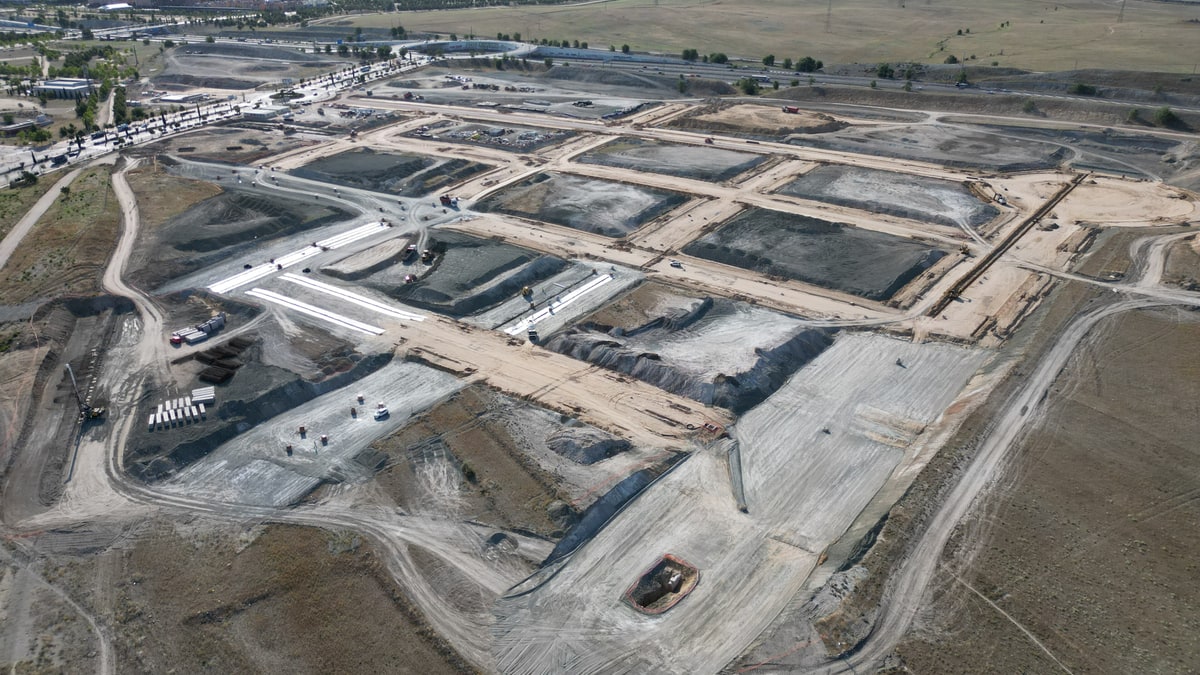
García Núñez cites the progress of Madrid Nuevo Norte and the urban developments in the southeast of the capital as instruments to increase supply. He explained that the projects in the southeast are already showing tangible progress, while the effects of Madrid Nuevo Norte will take longer to be felt due to the complexity and scale of the project.
Will the price drop? Not instantly
According to the MWCC head, several structural problems that limit the capacity to build new homes must be resolved first. Nevertheless, he anticipates a rebalancing between supply and demand as new developments enter the market, which would allow prices to adjust.
Regarding actions in the southeast, he specifically mentioned Los Berrocales, Valdecarros, and Los Ahijones:
Los Berrocales are building their first homes, Valdecarros is well advanced in the construction phase, and Los Ahijones are in a phase of loading homes
García Núñez described Madrid Nuevo Norte as an example of urban regeneration resulting from three decades of planning and agreements.
The MWCC president considers it urgent to reform urban regulations to expedite the availability of land and reduce administrative timelines. He attributes part of the rising cost of housing to delays between the loading of land, the granting of licenses, and the start of developments.
That land reform is necessary, it is urgent
García Núñez praised the measures taken by the Community of Madrid and the City Council of Madrid to expedite procedures and increase available land. He also recalled that nearly half of the region's surface is protected, which limits urban expansion.
Trending on the web




You may also like