
The exhibition Visigoths in Madrid, at the Archaeological and Paleontological Museum of the Community of Madrid, brings together 700 pieces from 83 sites between the 5th and 8th centuries.
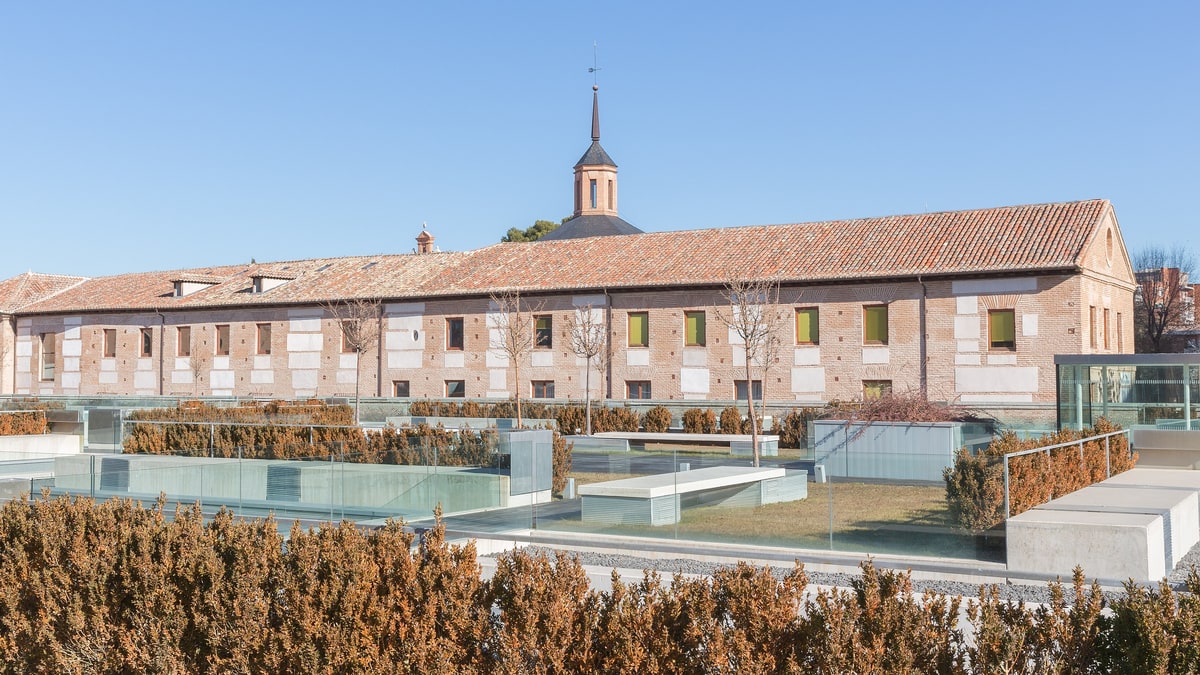
The Archaeological and Paleontological Museum of the Community of Madrid (MARPA) has presented the exhibition Visigoths in Madrid, which gathers more than 700 pieces from 83 archaeological sites. According to sendanorte.es, the exhibition explores the social, economic, and cultural changes that occurred in the region between the 5th and 8th centuries AD.
The exhibition is curated by Manuel Castro Priego, an archaeologist, associate professor of Archaeology, and dean of the Faculty of Philosophy and Letters at the University of Alcalá (UAH), and by Enrique Capdevila Montes, an archaeologist and curator of MARPA. It showcases the results of decades of research.
The tour illustrates how the peasants, artisans, and herders living in villages and small rural settlements after the fall of the Roman Empire lived. Visitors will learn about their homes, customs, and activities, as well as their relationship with the environment and cities like Toledo, the capital of the Visigothic kingdom, or Recópolis, in Zorita de los Canes (Guadalajara).
Among the pieces, the funerary goods from the region's necropolises stand out, including goldsmithing, personal adornment objects, and agricultural and livestock tools. The ceramic sets provide insights into domestic habits. The exhibition includes newly restored materials and findings presented to the public for the first time, from the necropolises of Estevillas-Virgen de la Torre in the capital, Loranca in Fuenlabrada, and Acedinos in Getafe.
One of the attractions is the life-size recreation of the ruins of a Visigothic church, with its horseshoe arches. The visit is complemented by audiovisual resources and museographic elements. The exhibition features pieces loaned by the National Archaeological Museum, the Santa Cruz Museum in Toledo, and the Guadalajara Museum.
Entry is free until full capacity is reached. More information is available on the museum's website, marpa.madrid.
Trending on the web




You may also like