
The Community of Madrid has initiated the process to declare a Cultural Heritage Asset for the two choir schools of San Lorenzo de El Escorial. The resolution appears in the Official Bulletin of the Community of Madrid.
The Community of Madrid has begun the procedures to declare Cultural Heritage Asset (BIC), in the category of Intangible Heritage, for the two choir schools of San Lorenzo de El Escorial, as published by ultimahora.es. These are the Escolanía del Escorial and the Colegio-Escolanía Santo Domingo de Silos, two liturgical choirs of boys' voices.
The resolution has been published in the Official Bulletin of the Community of Madrid (BOCM). The document describes a tradition in which educational and musical training is linked to religious celebrations.
Each choir school has around 40 children, who usually range in age from 8 to 14 years, although they can remain until the age of 18 to incorporate deeper voices. They receive formal academic education alongside musical training in singing, music theory, and instruments, and most live in a boarding arrangement. The Colegio-Escolanía Santo Domingo de Silos also admits students from nearby towns as externs.
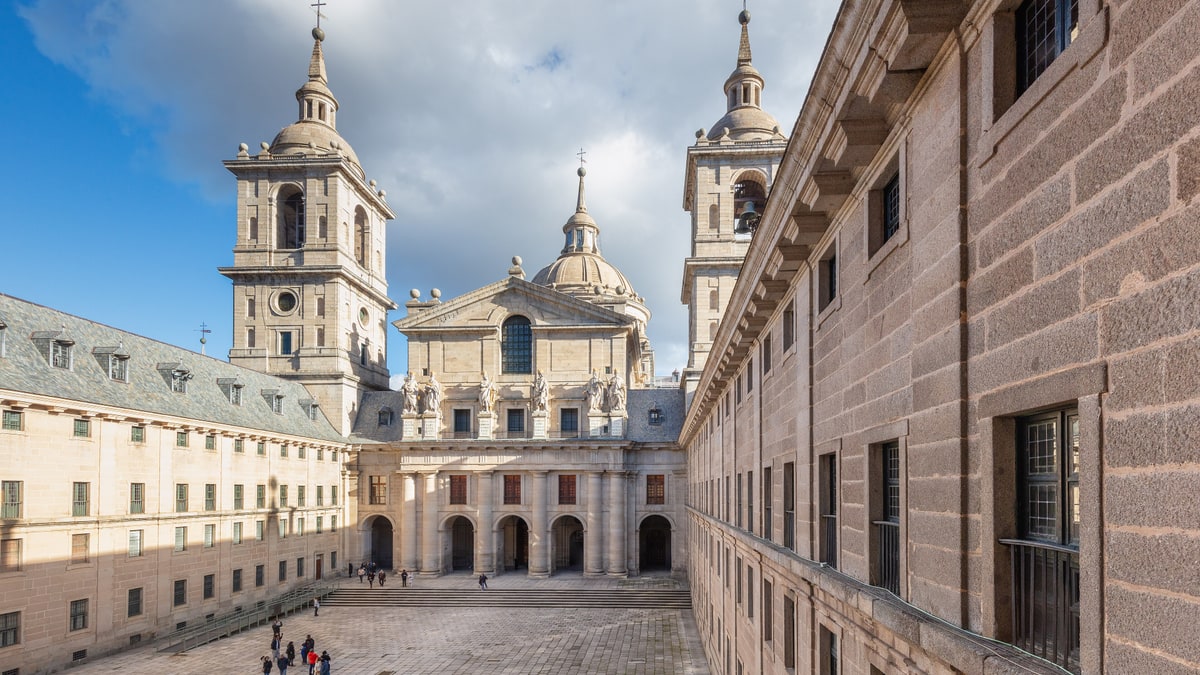
The Escolanía del Escorial, linked to the Royal Monastery of San Lorenzo, was founded in its current form by the Augustinians in 1974, although its origins date back to 1567, when Philip II established a school for boys. Since 1974, it has awarded scholarships to over 300 children. The Colegio-Escolanía Santo Domingo de Silos was founded in 1958 at the Benedictine Abbey of the Holy Cross, in the Valley of Cuelgamuros, and has had 1,400 students to date, according to the BOCM.
The file states that only five choir schools are currently operating in Spain: the two in Madrid, the one in Montserrat, the Colegio-Escolanía Infantes del Pilar in Zaragoza, and the Escolanía de Nuestra Señora de los Desamparados in Valencia. According to the document, the Silos school performs a different mass in Gregorian chant every day, according to the liturgical calendar, a practice that the BOCM considers unique in Spain and the rest of the world.
The choristers participate throughout the year in the celebrations of the basilicas of the Royal Monastery of San Lorenzo and the Holy Cross, with greater activity during the school year, Holy Week, Christmas, local festivals, and the Midnight Mass.
Trending on the web


You may also like