
The installation Jardín Salvadoreño, by designer Lula Mena, was part of the Central Exhibition of the BID26. It combines traditional textile techniques with recovered materials such as corn husks, fish scales, or copper from electric meters.
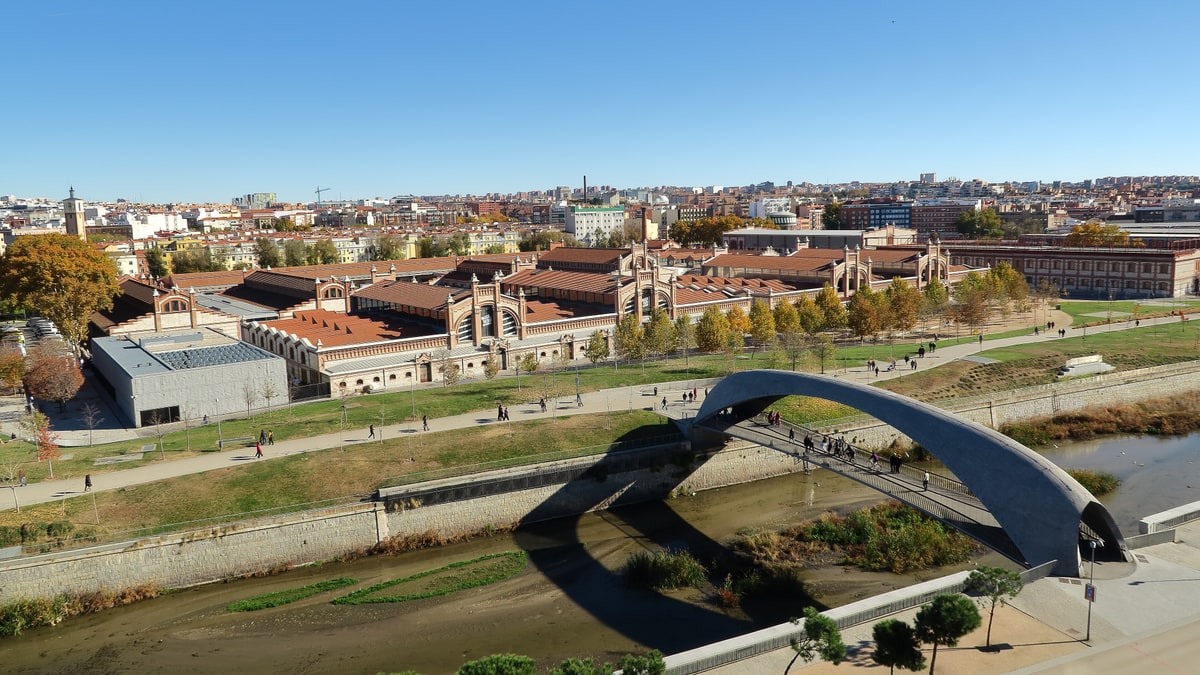
The installation Jardín Salvadoreño was part of the Central Exhibition of the Ibero-American Design Biennial 2026 (BID26), held from November 2 to 7 at Matadero Madrid. The author is Salvadoran designer Lula Mena.
According to elsalvador.com, the piece was selected from proposals from Latin America, Spain, and Portugal. The event is organised by DIMAD and its tenth edition had the theme “Practices in Transformation”.
The work belongs to the axis “Design for Resilience”, a category that rewards proposals with social and environmental responses based on sustainability and resource utilisation.
The installation is inspired by the izote flower, the national symbol of El Salvador. It combines layers of raw cotton woven with backstrap looms, lever looms, and two-frame looms, with a three-dimensional composition of flowers and natural elements. A trunk eroded by the sea hangs from the ceiling.
Among the reused materials are corn husks turned into flowers, fish scales, leather scraps from the footwear industry, and copper threads from out-of-use electric meters from DELSUR.
According to the designer's press material, three artisan communities participated in the work, including groups from Puerto de La Libertad and weavers from Santiago Texacuangos. The collectives Olas de Esperanza and Semillas de Felicidad also collaborated.
Lula Mena's brand, founded in 2013, has brought Salvadoran artisanal products to over 17 countries. In 2022, it received the Nest Seal of Ethical Craftsmanship, an award recognising good social and environmental practices in artisanal production.
Trending on the web




You may also like